Quick answer: Otaru Canal is a 1923 waterway lined with stone warehouses that once handled cargo for one of Hokkaido’s busiest ports, built on wealth generated by an extraordinary herring fishing boom. Nearby, the Otaru Herring Mansion (Nishin Goten) preserves the lavish home-and-workshop of a herring fishing boss from the industry’s peak. Together they tell the story of a 19th-century fishing bonanza and the working port town it built.
A Town Built on Herring
Otaru’s history as a settlement traces back to the late Edo period, when Pacific herring (nishin) swarmed the coastal waters off Otaru and the nearby Shakotan Peninsula in staggering numbers each spring. By 1865, a fishing settlement of roughly 314 households had formed along the coast. When the shogunate-era “basho-ukeoi” contract fishing system was abolished in 1869, trade opened up further, and Kitamae-bune merchant ships began running more frequently between Otaru and ports on Honshu, carrying herring products — dried fish, fish oil, and herring meal used as fertilizer — to markets across Japan. The herring runs made a small number of fishing bosses (amimoto) enormously wealthy, and Otaru grew from a fishing village into Hokkaido’s key trading port, later reinforced by its role exporting coal from Hokkaido’s interior mines starting in the 1880s.
The Herring Mansion: A Fishing Boss’s Palace and Factory in One
The Otaru City Herring Mansion (Nishin Goten), now preserved in Otaru’s Shukutsu district, illustrates just how wealthy the herring trade could make a single family. Built in 1897 at the height of the boom, it originally stood in what is now Kokei village on the Shakotan Peninsula. It’s less a single house than a combined residence-and-factory: the fishing boss’s family lived in the finely appointed rooms while dozens of seasonal migrant fishermen (yan-shu), who traveled from Honshu each spring for the herring run, lived and worked under the same roof, processing the catch. The building was relocated to its current hillside spot overlooking Otaru harbor in 1958, and in 1960 it was designated a Tangible Cultural Property of Hokkaido — the first residential building in Hokkaido to receive that status.
From Fishing Wealth to Canal Warehouses
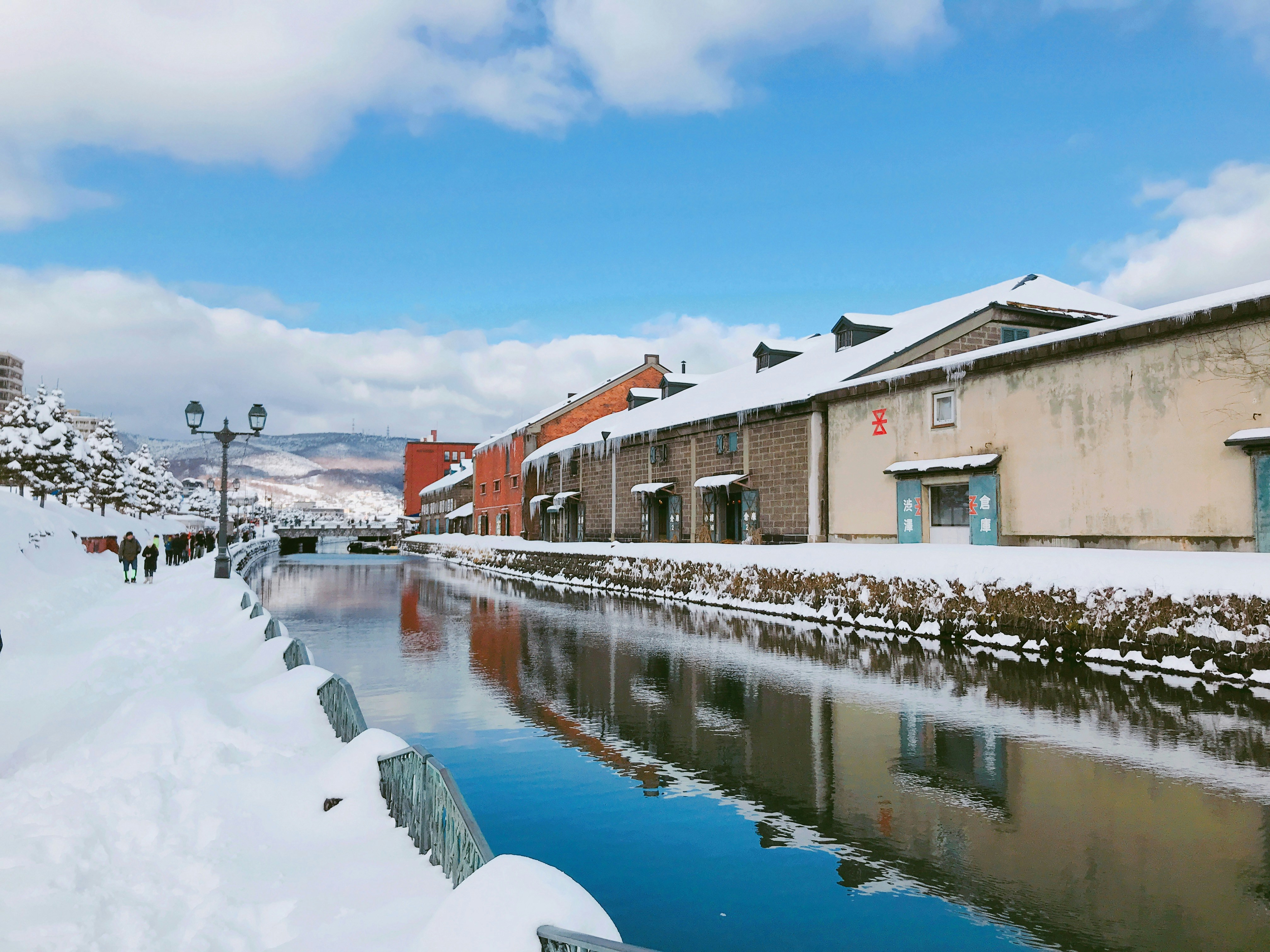
As Otaru’s port trade grew, the city needed better infrastructure to move goods between anchored ships and its warehouses. Construction of Otaru Canal began in 1914 using a land reclamation method — rather than digging inland, builders created the waterway by building a seawall out from the shore and filling in behind it. The canal was completed in 1923, allowing small barges to shuttle cargo directly to the stone warehouses that still line its banks, many built from locally quarried soft stone.
Decline, Near-Demolition, and Revival
The herring, however, did not last. From around the 1950s, catches collapsed due to a combination of overfishing and shifting ocean currents, and the once-teeming herring runs off Hokkaido essentially vanished — leaving mansions like the Nishin Goten as monuments to a boom that ended. The canal itself fell out of commercial use as shipping modernized, and by the 1960s–70s the city considered filling it in entirely to build a highway. A grassroots preservation campaign in the 1970s and 80s saved roughly half the canal from destruction, and the remaining stretch was restored with gas lamps and a pedestrian promenade, transforming a working industrial waterway into the postcard image of Otaru seen today.
How to Get There
From New Chitose Airport: The JR Rapid Airport train runs directly to Otaru without transferring, taking about 70–80 minutes. If you connect through Sapporo, the trip is similarly timed but involves a change of train.
From Sapporo Station: JR trains to Otaru Station take about 30–40 minutes depending on whether you take a rapid or local service.
From Tokyo: Fly into New Chitose Airport (roughly 1 hour 35 minutes from Haneda), then follow the routes above.
From Otaru Station to the Canal: It’s an easy 10-minute walk straight down Chuo-dori, the main street leading from the station toward the harbor — you won’t need directions once you’re on it.
To the Herring Mansion: The Nishin Goten is in Otaru’s Shukutsu area, a bit further out from the canal near the Otaru Aquarium. From Otaru Station, it’s roughly a 20–30 minute bus ride or taxi.
| Route | Time |
|---|---|
| New Chitose Airport → Otaru (JR Rapid Airport, direct) | 70–80 min |
| Sapporo Station → Otaru Station (JR) | 30–40 min |
| Otaru Station → Canal (on foot) | ~10 min |
| Otaru Station → Herring Mansion (bus/taxi) | 20–30 min |
Visiting Tips
- Best time of day: Early evening, when the gas lamps along the canal are lit — this is the most photographed view of Otaru.
- Winter bonus: Otaru’s snow-covered canal, especially during the Otaru Snow Light Path festival in February, is strikingly different from the green-season view.
- Combine your visit: Otaru is also known for glassware, music boxes, and fresh seafood — the historic warehouse district near the canal has plenty of both.
FAQ
Q: Is the canal still used for shipping?
A: No. It’s purely a historic and scenic feature now; the warehouses along it have mostly been converted into cafes, shops, and museums.
Q: Is the Herring Mansion the original building?
A: It’s an original Meiji-era building, but it was physically relocated from the Shakotan Peninsula to its current site in Otaru in 1958 — it wasn’t built where it stands today.
Q: How long should I budget for both sites?
A: The canal area alone can be seen in an hour, but if you’re adding the Herring Mansion and Shukutsu area, plan for at least half a day.
Getting There
Nearest station: JR Otaru Station (JR Hakodate Main Line)
The canal is about a 10-minute walk from JR Otaru Station — simply follow Chuo-dori Avenue toward the port. A short bus ride down the same road takes about 2 minutes for those who prefer not to walk.

Don’t waste your first day in Japan hunting for WiFi
Install it before you board — your eSIM is already connected the second you land.
🏪 No shop visit
💳 No roaming bill shock
2-minute setup · works the moment you land
Related Guides
Leave a Reply