Quick answer: Goryokaku is a five-pointed, Western-style star fort in Hakodate, Hokkaido, built by the Edo shogunate between 1857 and 1864. It became famous as the site of the Battle of Hakodate (1868–1869), the final battle of the Boshin War that ended the age of the samurai. Today it’s a park and cherry-blossom spot best appreciated from the observation deck of Goryokaku Tower, which reveals the fort’s unmistakable star shape from above.
Why a Star-Shaped Fort in Hokkaido?
In the 1850s, after Japan opened its ports to foreign trade under pressure from Western powers, the Edo shogunate grew anxious about defending its northern frontier, particularly the strategic Tsugaru Strait between Hokkaido and Honshu. It commissioned a Western-style fortress modeled on the star-shaped bastion forts then used across Europe, designed by Takeda Ayasaburo, a scholar of Rangaku (Dutch/Western studies). Construction began in 1857 and the fort was completed in 1864. Unlike a traditional Japanese castle with a tall tenshu keep, Goryokaku was a low, five-pointed earthwork designed to eliminate blind spots and let defenders lay overlapping lines of cannon fire — a purely defensive, functional design rather than a symbol of lordly power.
The Boshin War Reaches Hokkaido
The Boshin War (1868–1869) was the civil war fought between the crumbling Tokugawa shogunate and the new Meiji imperial government, and it is generally considered the largest internal conflict in Japan’s modern history. As shogunate forces lost ground across Honshu, Enomoto Takeaki, the former vice-commissioner of the shogunate’s navy, refused to surrender. In autumn 1868 he sailed a fleet of former shogunate warships north to Ezo (as Hokkaido was then called), landed his troops, and occupied Goryokaku as his stronghold, attempting to establish an independent regime beyond the reach of the new government.
The Battle of Hakodate and the End of the Shogunate
The resulting Battle of Hakodate, fought through the winter of 1868–1869, is remembered as the last major engagement of the Boshin War. Among the defenders was Hijikata Toshizo, the former vice-commander of the Shinsengumi, who is said to have died in the fighting near Goryokaku in May 1869 — an episode that has become one of the most romanticized moments in samurai-era history. Surrounded and outgunned by imperial naval forces, Enomoto’s garrison surrendered on May 18, 1869, bringing the Boshin War to a close and cementing the Meiji government’s control over the entire country.
From Battlefield to Park
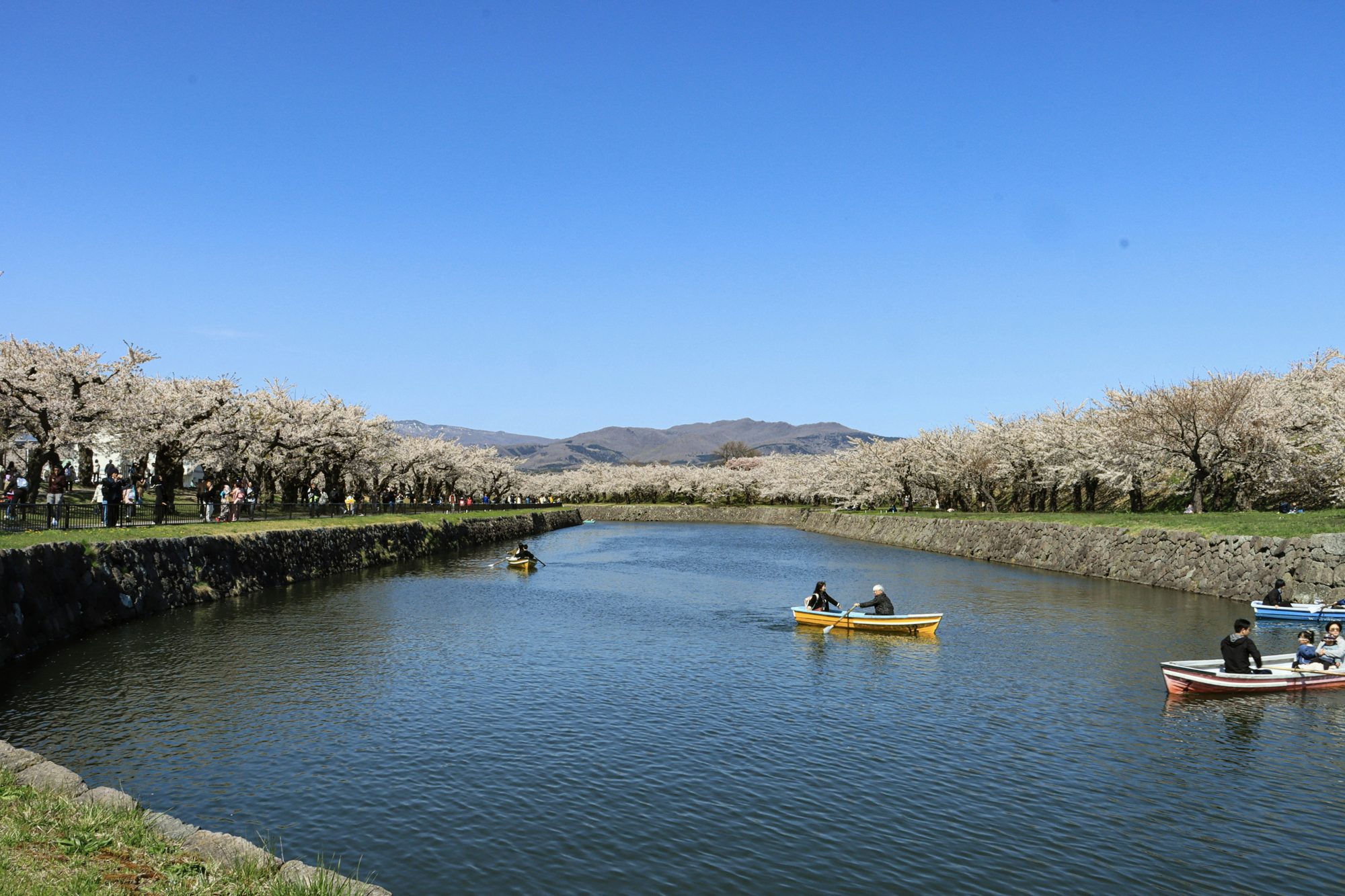
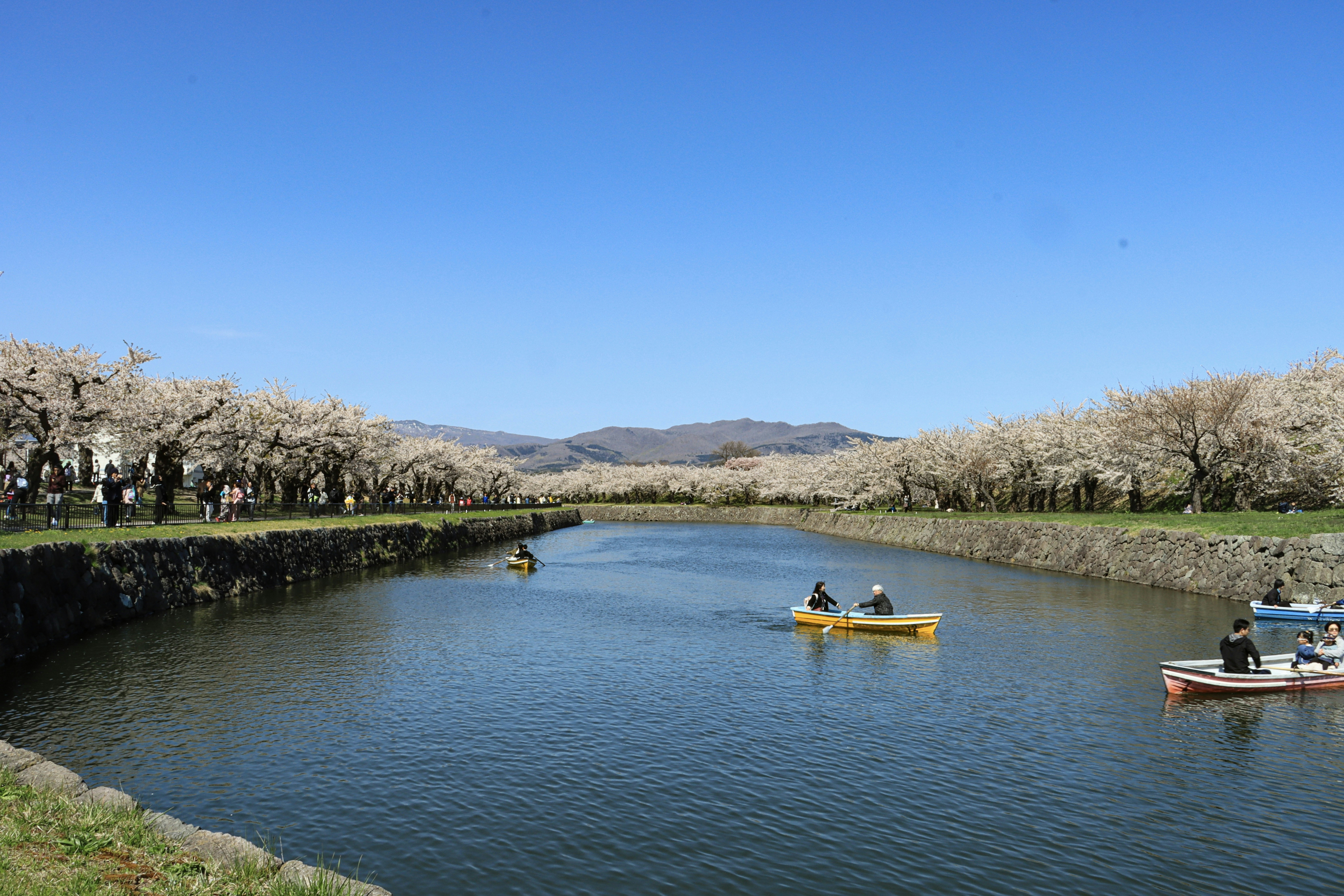
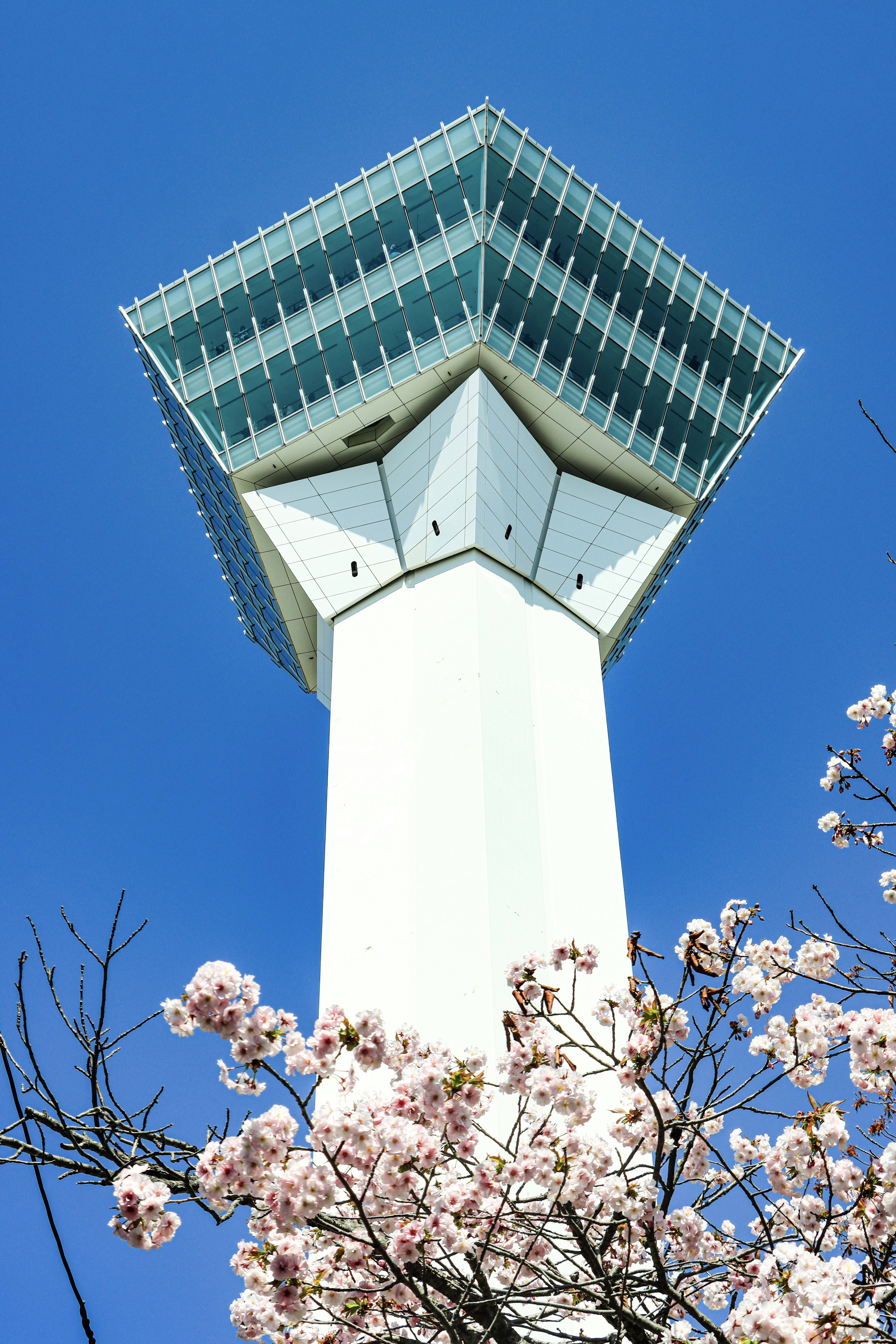
After the war, Goryokaku served briefly as a government office before being opened to the public. Some 1,600 cherry trees were later planted within its walls, and the moat is now popular for rowboat rides in spring. The 107-meter Goryokaku Tower, rebuilt in 2006, offers the only vantage point from which visitors can actually see the fort’s five-pointed star shape — impossible to appreciate at ground level.
How to Get There
By air: The most common route is flying into Hakodate Airport, about 20 minutes by bus or taxi from central Hakodate. From Tokyo Haneda, flights take roughly 1 hour 20 minutes to 1 hour 35 minutes.
By Shinkansen from Tokyo: Take the Hokkaido Shinkansen from Tokyo Station to Shin-Hakodate-Hokuto Station (fastest journey about 3 hours 57 minutes). From there, transfer to the local “Hakodate Liner” train, which takes 15–22 minutes to reach Hakodate Station. Total door-to-door time from Tokyo is roughly 4.5–5 hours.
From Osaka: There is no direct Shinkansen link, and direct flights to Hakodate are limited and seasonal, so most travelers connect via Tokyo (flight or Shinkansen) or via New Chitose Airport near Sapporo.
From Hakodate Station to Goryokaku: Take the Hakodate city tram (streetcar) toward Yachigashira and get off near Goryokaku-koen-mae, then walk about 10–15 minutes — trams run every 8 minutes or so, making this the easiest option. Alternatively, city buses (routes 47/67) run more directly to the park with a shorter walk, and shuttle buses also operate during the day. The whole trip from Hakodate Station takes about 15–20 minutes.
| Route | Time |
|---|---|
| Tokyo → Shin-Hakodate-Hokuto (Shinkansen) | ~3h57m |
| Shin-Hakodate-Hokuto → Hakodate Station (Hakodate Liner) | 15–22 min |
| Haneda → Hakodate Airport (flight) | 1h20m–1h35m |
| Hakodate Station → Goryokaku (tram/bus) | 15–20 min |
Visiting Tips
- Best season: Late April to early May for cherry blossoms; the fort is also lit up in a special winter illumination event in winter.
- Don’t skip the tower: The star shape is invisible from ground level — the observation deck is essential, not optional.
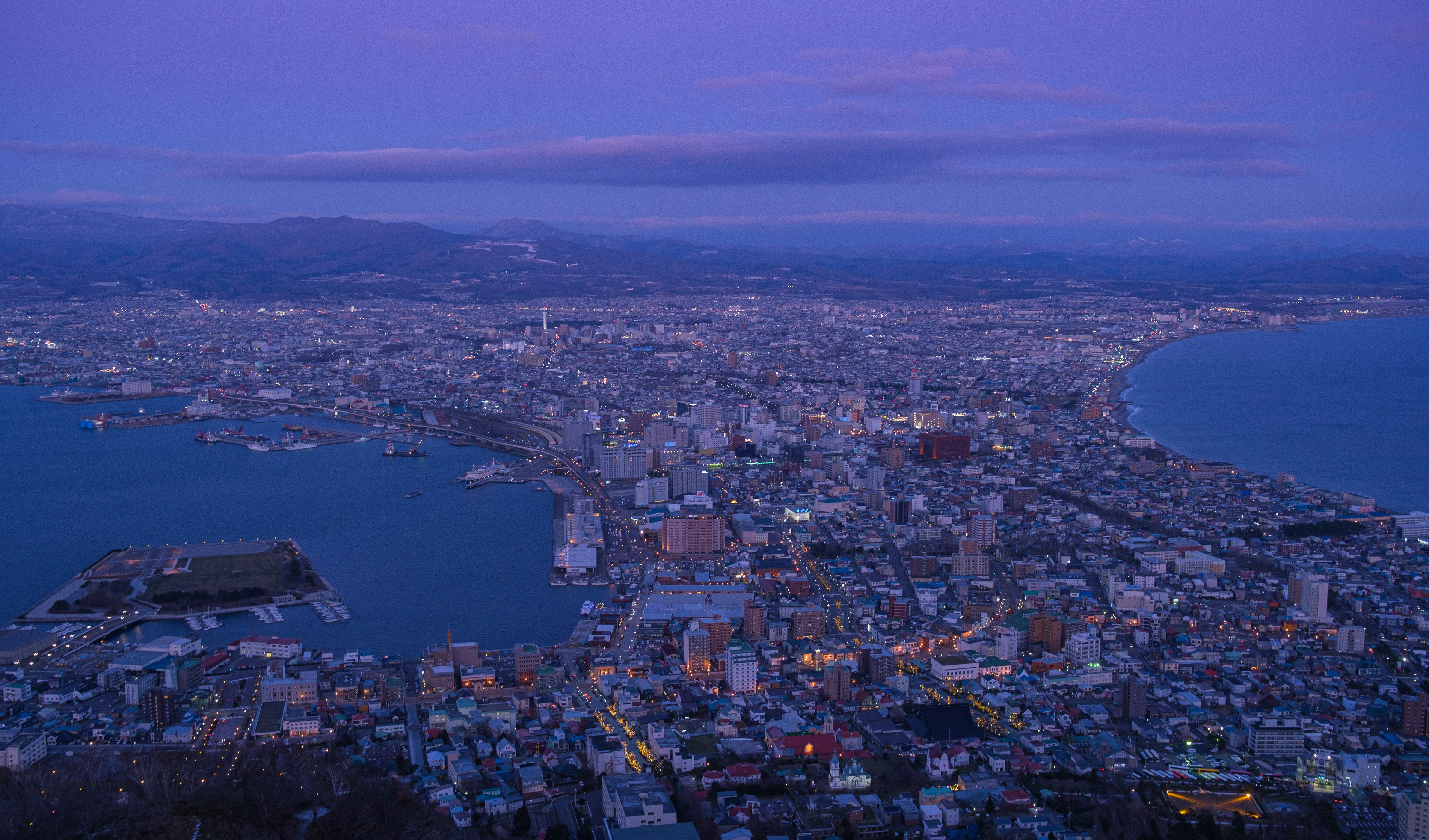
- Pair it with: Mt. Hakodate’s night view and the Motomachi/Bay Area historic warehouse district, both a short tram ride away.
FAQ
Q: Is Goryokaku a “real” Japanese castle?
A: Not in the traditional sense. It has no tenshu keep and was built purely as a Western-style artillery fort, making it structurally very different from castles like Himeji or Hirosaki.
Q: How long does a visit take?
A: Budget 1.5–2 hours to walk the park, visit the tower, and see the small history exhibits inside the reconstructed magistrate’s office (Hakodate Bugyosho) within the fort.
Q: Can you see the star shape without the tower?
A: No — Goryokaku’s five-pointed shape is only visible from height, which is exactly why the observation tower exists.
Getting There
Nearest station: Goryokaku-koen-mae Tram Stop (Hakodate City Tram)
From Hakodate Station, take a Route 2 or Route 5 tram toward Yunokawa (about 10 minutes) to Goryokaku-koen-mae, then walk about 10–15 minutes to the fort and tower. Buses stopping at Goryokaku-koen-iriguchi leave about a 7-minute walk instead.

Don’t waste your first day in Japan hunting for WiFi
Install it before you board — your eSIM is already connected the second you land.
🏪 No shop visit
💳 No roaming bill shock
2-minute setup · works the moment you land
Related Guides
Leave a Reply