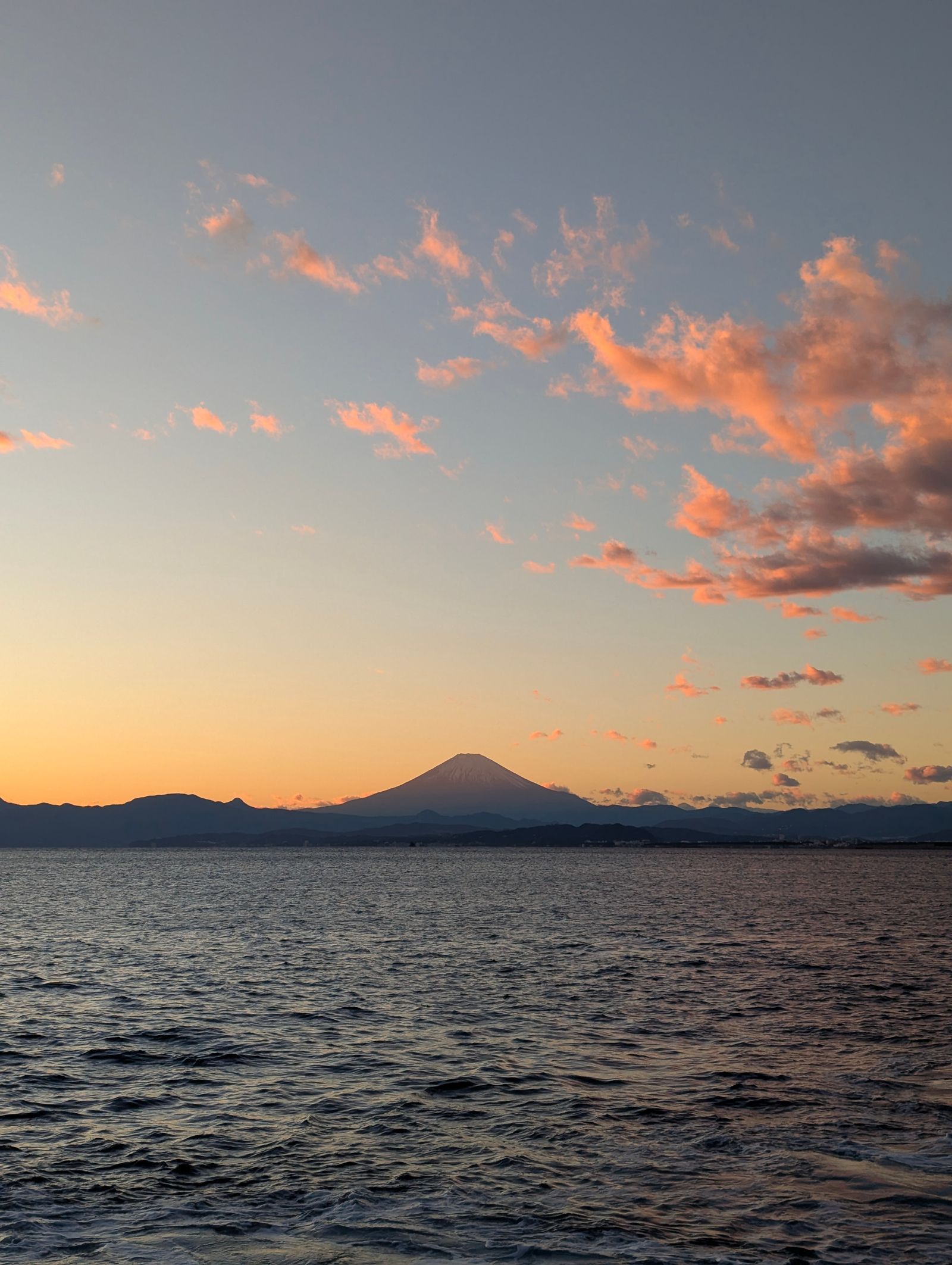
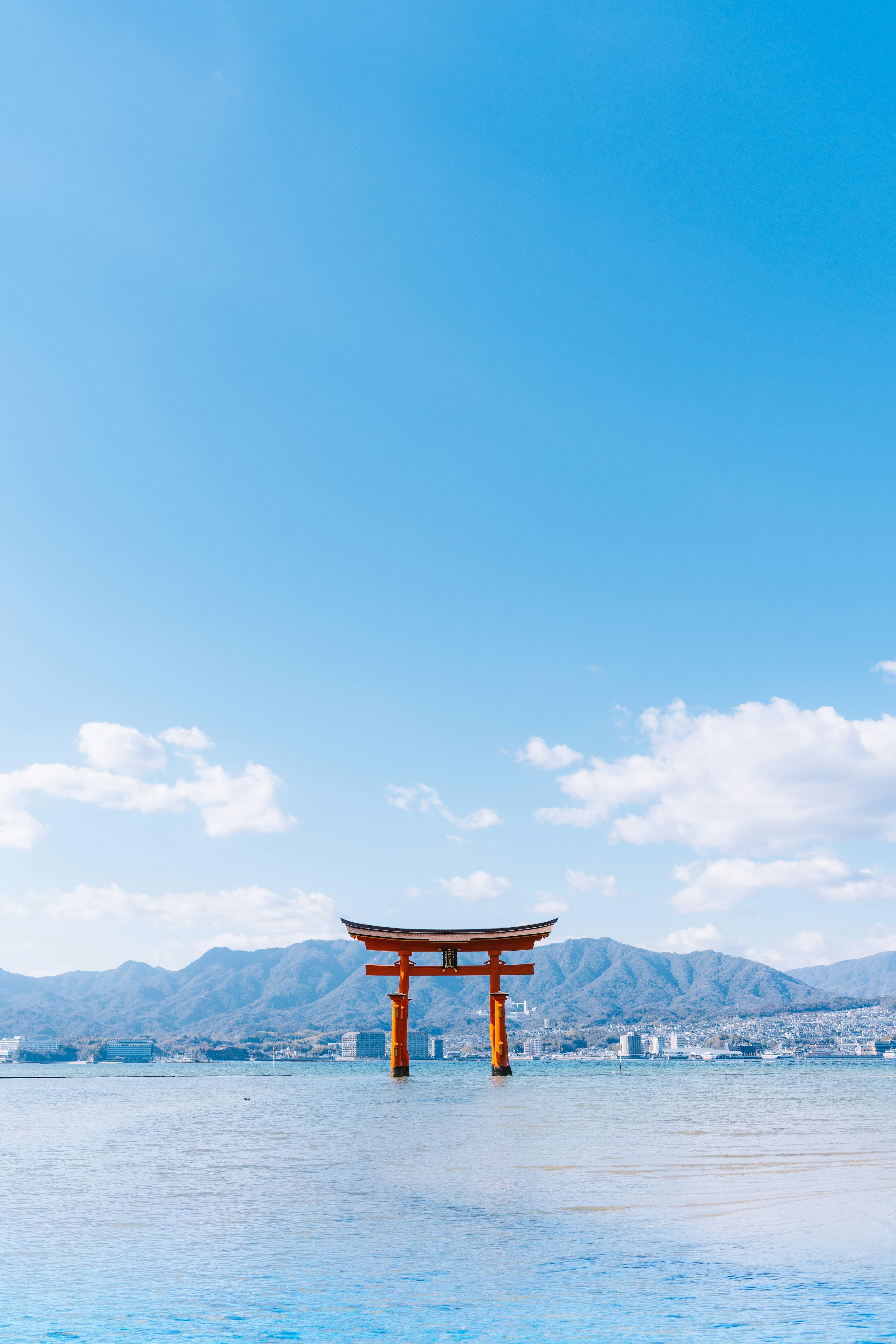

Quick answer: Itsukushima Shrine on the island of Miyajima is said to have been founded in 593, but the pier-built halls seeming to float on the sea that make it famous today date to a large-scale 1168 reconstruction by the powerful warlord Taira no Kiyomori. It has been a UNESCO World Heritage Site since 1996, and its iconic vermilion torii gate was most recently restored in 2022.
A Founding Legend from 593
According to shrine tradition, Itsukushima Shrine was first established in 593, during the reign of Empress Suiko — making it, by legend, one of Japan’s very old shrine sites. The story holds that a local clan leader received a divine revelation and, with imperial approval, built a shrine to the three Munakata goddesses, deities of the sea and safe voyage, on the shore of what was already regarded as a sacred island. Because so much of Japan’s whole island of Miyajima was considered holy ground, the shrine was deliberately built at the water’s edge rather than on the mountain itself, out of respect for the island’s sanctity.
Taira no Kiyomori’s Vision: The Sea-Level Shrine of 1168
The shrine most visitors picture today — a complex of vermilion halls and corridors connected by covered walkways, built out over the tidal flat so that at high tide the buildings appear to float on the sea — is largely the work of one man: Taira no Kiyomori, the most powerful warlord of the late Heian period. As governor of Aki province (which included Miyajima), Kiyomori was a devoted worshipper of Itsukushima’s deities and credited the shrine with his family’s rise to power. Around 1168, he sponsored a major reconstruction that rebuilt the shrine in the shinden-zukuri style — an elegant palace architecture normally used for aristocratic residences in Kyoto — and set it directly over the water on wooden piers, giving Itsukushima the distinctive appearance it retains today.

The Great Torii: Rebuilt Many Times, Most Recently in 2022
The shrine’s most photographed feature, the great vermilion torii gate standing offshore, is not the original Heian-era gate — it has been rebuilt roughly eight times over the centuries as wood decays in seawater, with the current gate dating to 1875. Rather than being sunk into the seabed, the roughly 16-meter-tall gate stands under its own weight, stabilized by stones packed into its base pillars. Its most recent major restoration, known as the “Reiwa Great Renovation,” ran from 2019 to December 2022 and repaired termite damage to the main pillars and refreshed the vermilion coating, giving the gate the vivid color visitors see today.

Beyond the Shrine: Senjokaku and the Five-Story Pagoda
On the hill just above the main shrine complex stands another striking piece of history: Senjokaku (also known as Toyokuni Shrine), a vast wooden hall commissioned in 1587 by the warlord Toyotomi Hideyoshi to hold Buddhist memorial services for fallen soldiers. Hideyoshi died before it was finished, and it remains deliberately unfinished to this day — you can still see exposed rafters and an incomplete ceiling in one section. Right beside it rises Miyajima’s five-story pagoda, built in 1407, blending Japanese and Chinese-influenced architectural styles. Together they form one of the most photographed viewpoints on the island, especially with cherry blossoms or autumn maples framing the pagoda. Free-roaming deer, considered messengers of the gods on this sacred island much as they are in Nara, are a common sight around both structures.
A World Heritage Site
Itsukushima Shrine was inscribed as a UNESCO World Heritage Site in December 1996, recognized both for the shrine buildings themselves — among the few surviving large-scale examples of Heian-period shinden-zukuri architecture — and for the way the complex integrates with the surrounding sea and the forested slopes of Mount Misen behind it. The listed area covers not just the shrine but the waters in front of it and part of the primeval forest on the mountain.
Quick facts:
- Founding legend: 593, reign of Empress Suiko
- Major reconstruction: Around 1168, by Taira no Kiyomori
- Current great torii: Built 1875; most recently restored 2019–2022
- UNESCO World Heritage listing: 1996
Practical tips: Tide timing matters a great deal here — the “floating” effect is only visible at high tide, while low tide lets you walk out across the sand right up to the base of the torii gate. Check the tide schedule before you go; many visitors try to see both. Miyajima is reached by a short ferry ride from Miyajimaguchi, itself accessible by train from Hiroshima.
Getting There
Nearest station: JR Miyajimaguchi Station or Hiroden-Miyajimaguchi Station
From Hiroshima Station, the JR Sanyo Line reaches Miyajimaguchi Station in about 28 minutes. From there, walk a few minutes to the ferry terminal and take the 10-minute ferry crossing to Miyajima; the shrine itself is about a 10-minute walk from the island’s pier.
FAQ
- Was the current shrine built in 593? No — 593 is the shrine’s traditional founding date by legend. The pier-built halls visitors see today date mainly to the 1168 reconstruction under Taira no Kiyomori.
- Is the torii gate actually anchored to the seafloor? No, it isn’t. It stands under its own considerable weight, with its base pillars weighted by stones, rather than being fixed into the ground.
- Can you walk up to the torii gate? Yes, at low tide you can walk across the exposed sand to the base of the gate; check tide times before visiting.

Don’t waste your first day in Japan hunting for WiFi
Install it before you board — your eSIM is already connected the second you land.
🏪 No shop visit
💳 No roaming bill shock
2-minute setup · works the moment you land
Related Guides
Leave a Reply