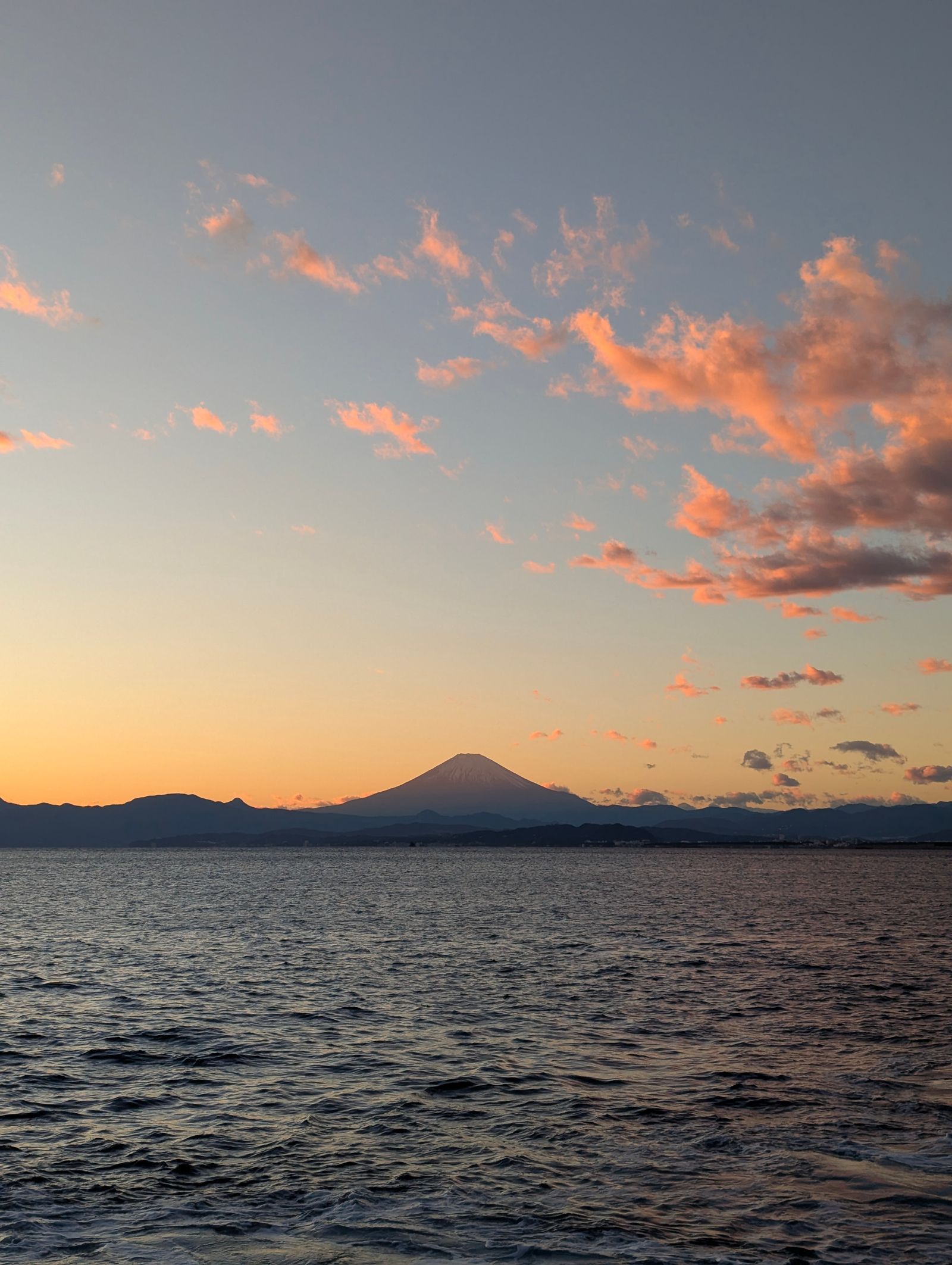
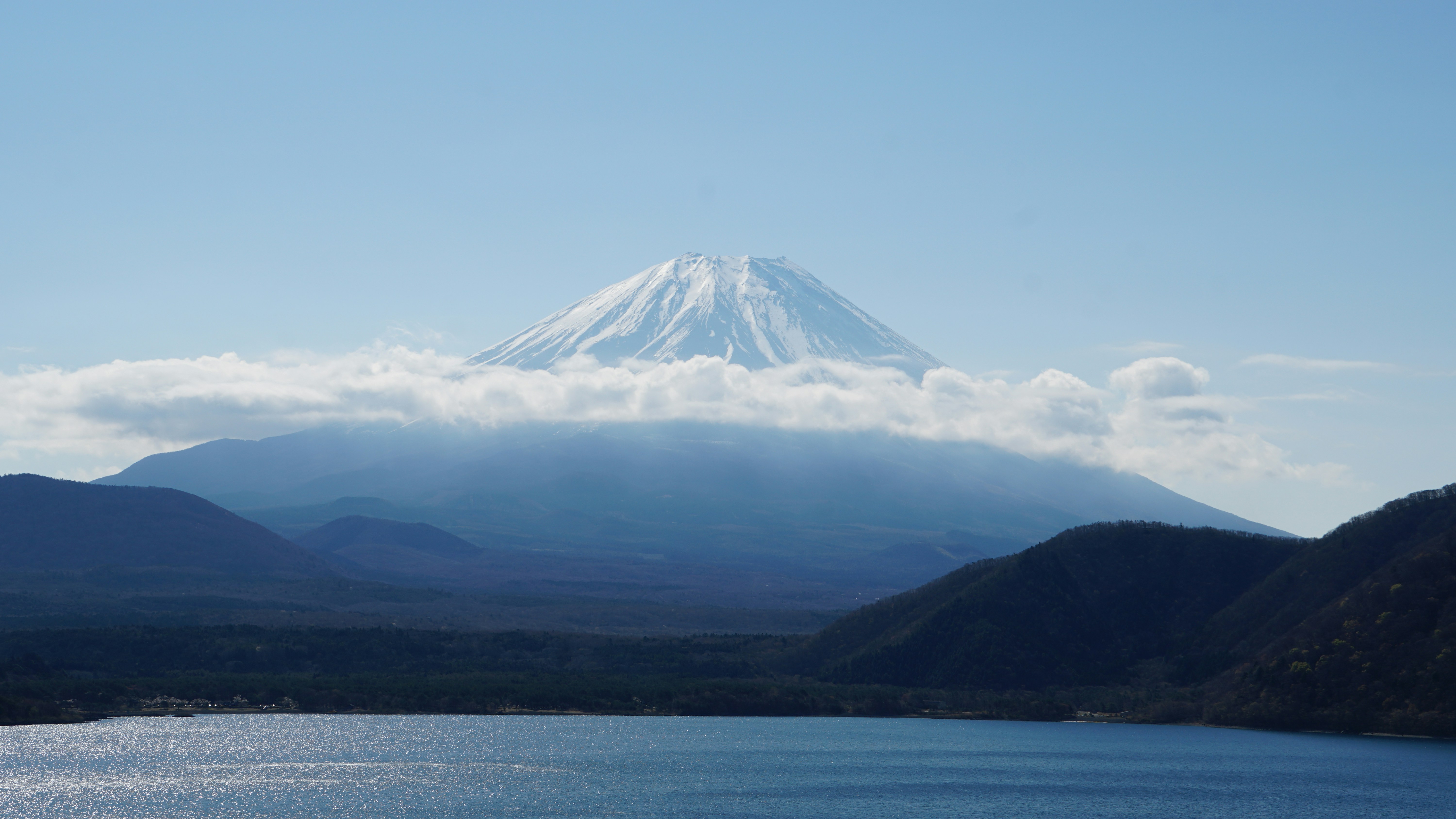
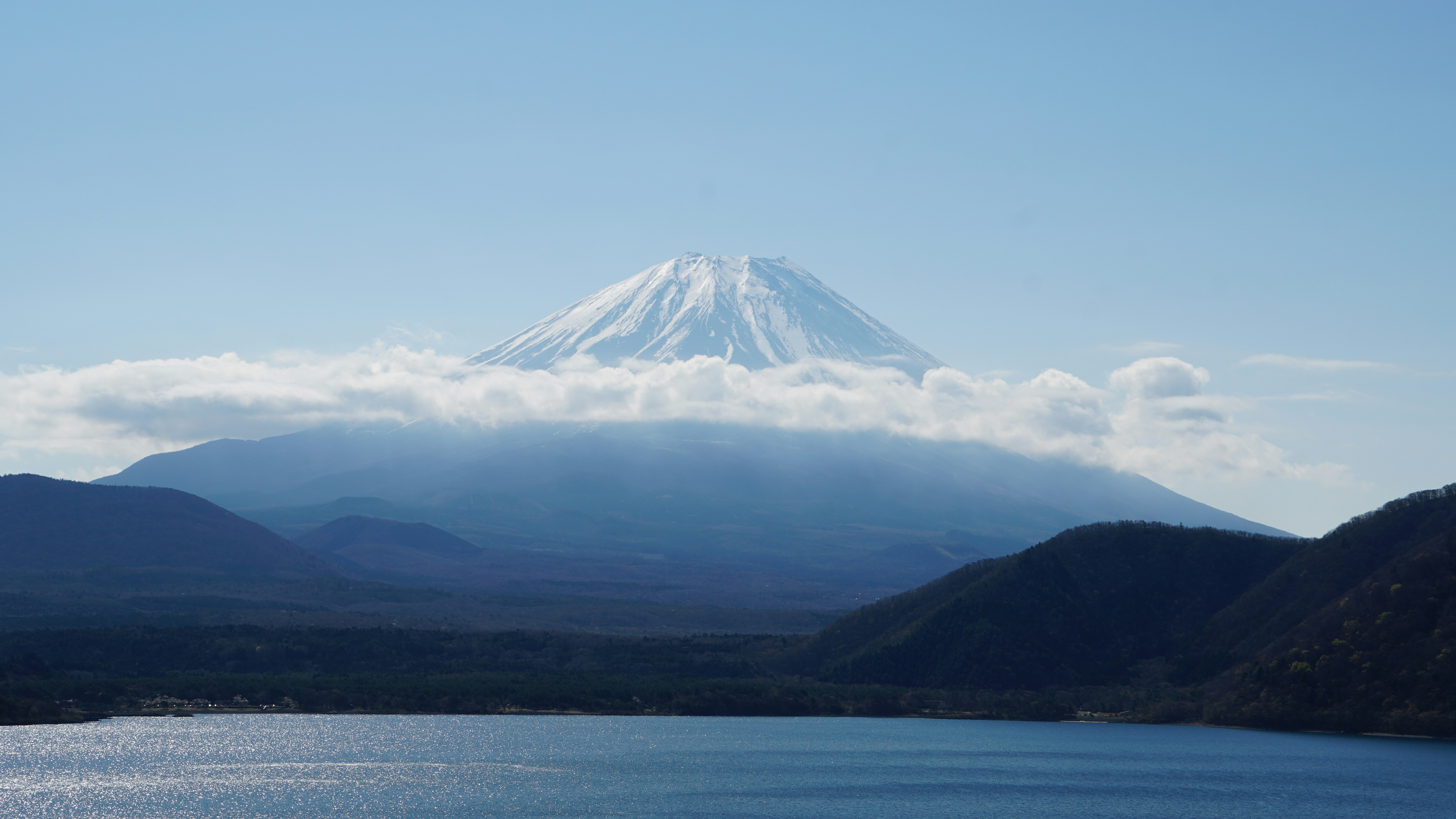
Quick answer: Mount Fuji has been an object of worship in Japan since ancient times, originally out of fear of its eruptions rather than admiration for its beauty. Shrines dedicated to the mountain’s deity, called Sengen (or Asama) shrines, spread from the Heian period onward, and during the Edo period, mass pilgrimage clubs called Fuji-ko turned climbing the mountain into a nationwide devotional practice. In 2013, UNESCO added Mount Fuji to the World Heritage List not as a natural site, but as a cultural one — officially recognized as “a sacred place and source of artistic inspiration.”
A Mountain Feared Before It Was Loved
Long before Mount Fuji became a symbol of natural beauty, it was regarded as something far more dangerous: the home of a volatile deity capable of destroying everything nearby. Japan’s oldest chronicles and poetry collections record eruptions and volcanic activity around Fuji going back to antiquity, and early Japanese religion — rooted in the belief that natural forces are governed by kami, or spirits — treated the mountain’s eruptions as expressions of divine anger that needed to be placated, not conquered. This fear-based reverence is the true origin of Fuji worship, predating any notion of the mountain as a place of scenic pilgrimage.
The Sengen Shrines: Built to Calm a Fire God
Worship of Mount Fuji became formally organized through Sengen shrines (also read Asama shrines), dedicated to the deity Konohanasakuya-hime, who came to be seen as the mountain’s guardian spirit. According to shrine tradition, the founding of the head shrine now known as Fujisan Hongu Sengen Taisha is linked to the general Sakanoue no Tamuramaro, who is said to have established it at its present location near the mountain’s base in 806, during the early Heian period, on imperial order — and a major eruption the following year, in 807, reportedly prompted an imperial envoy to travel there and pray for the eruptions to cease. Some shrine traditions trace informal worship at the mountain’s base back even earlier, though those origins belong more to legend than to documented history. What’s well established is that by the early Heian period, Mount Fuji had been formally ranked among the important kami of the imperial court, and shrines to pacify it had spread around its base and beyond — there are now more than 1,300 Sengen shrines across Japan.
From Fear to Faith: The Edo-Period Fuji-ko Boom
Over the centuries, Fuji worship gradually shifted from purely defensive appeasement toward something closer to devotional pilgrimage. By the Edo period (1603–1868), climbing Mount Fuji itself had become an act of religious practice, and a distinctive form of popular devotion emerged: the Fuji-ko, or Fuji confraternities. These were mutual-aid religious clubs, especially popular among merchants and artisans in Edo (present-day Tokyo), that pooled money so that members could take turns making the pilgrimage, or so a representative could climb on behalf of those who couldn’t afford the trip or make the journey themselves.
Pilgrims who did make the climb followed established routes up the mountain, prayed at the summit shrine, and often circled the crater rim in a ritual called ohachimeguri. Fuji-ko groups became so numerous and visible in Edo that a popular saying joked there were “eight hundred and eight Fuji confraternities” in the city — a wild exaggeration, but a sign of just how widespread the practice had become. This period also produced some of the most famous depictions of the mountain in Japanese art, including woodblock prints by artists like Hokusai and Hiroshige, cementing Fuji’s dual role as both sacred site and artistic muse.

UNESCO World Heritage: “Object of Worship, Source of Art”
In June 2013, Mount Fuji was inscribed on the UNESCO World Heritage List — not under the Natural Heritage category, as many visitors assume, but as a Cultural Heritage Site. Its official listing, “Fujisan, sacred place and source of artistic inspiration,” recognizes the mountain specifically for its centuries-long role in Japanese religious practice and its enormous influence on literature and visual art, rather than for its geology or ecology alone. The designation covers 25 separate component sites around the mountain, including several Sengen shrines, pilgrim trails, and scenic spots long associated with Fuji’s cultural significance.
Timeline at a Glance
| Period | Event |
|---|---|
| Ancient period | Mount Fuji’s eruptions inspire fear-based worship of the mountain as a deity |
| 806 (tradition) | Fujisan Hongu Sengen Taisha said to be established at its present site by Sakanoue no Tamuramaro |
| Edo period (1603–1868) | Fuji-ko pilgrimage confraternities spread mass devotional climbing across Japan |
| June 2013 | Mount Fuji registered as a UNESCO Cultural World Heritage Site |
Visiting Today
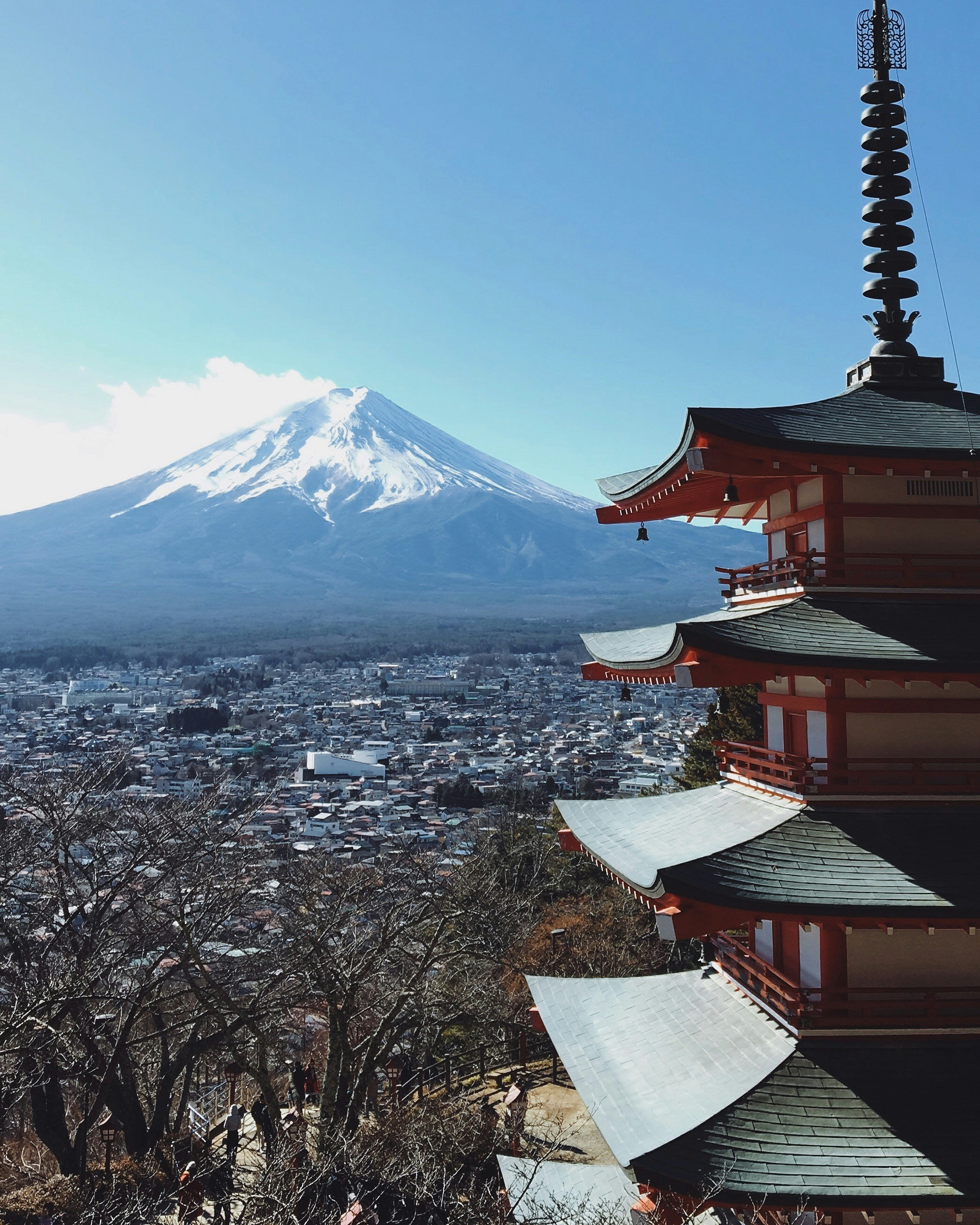
Modern climbers still follow routes that trace centuries-old pilgrim paths, and Sengen shrines at the mountain’s base — along with striking vantage points like the Chureito Pagoda within Arakura Sengen Shrine — remain popular stops for visitors who want to see the spiritual side of Fuji, not just the view.
Getting There
Nearest station: Fujinomiya Station (JR Minobu Line)
The head shrine of Mount Fuji worship, Fujisan Hongu Sengen Taisha, is about a 15-minute walk from Fujinomiya Station. Miya buses also run between the station and the shrine roughly once every one to two hours for visitors who prefer not to walk.
FAQ
- Is Mount Fuji still an active volcano? Yes, it’s classified as an active volcano by the Japan Meteorological Agency, though its last confirmed eruption was in 1707–08 (the Hoei eruption).
- Why was Mount Fuji listed as a Cultural site rather than a Natural one? An earlier bid for Natural Heritage status was turned down partly over concerns about litter and development around the mountain; the successful 2013 bid instead emphasized Fuji’s religious and artistic significance, which better matched the strength of the surviving evidence.
- What is a Fuji-ko? A Fuji-ko was a religious mutual-aid association, especially common in Edo-period Tokyo, whose members pooled funds to support pilgrimages up Mount Fuji, either by sending representatives or organizing group climbs.

Don’t waste your first day in Japan hunting for WiFi
Install it before you board — your eSIM is already connected the second you land.
🏪 No shop visit
💳 No roaming bill shock
2-minute setup · works the moment you land
Related Guides
Leave a Reply