
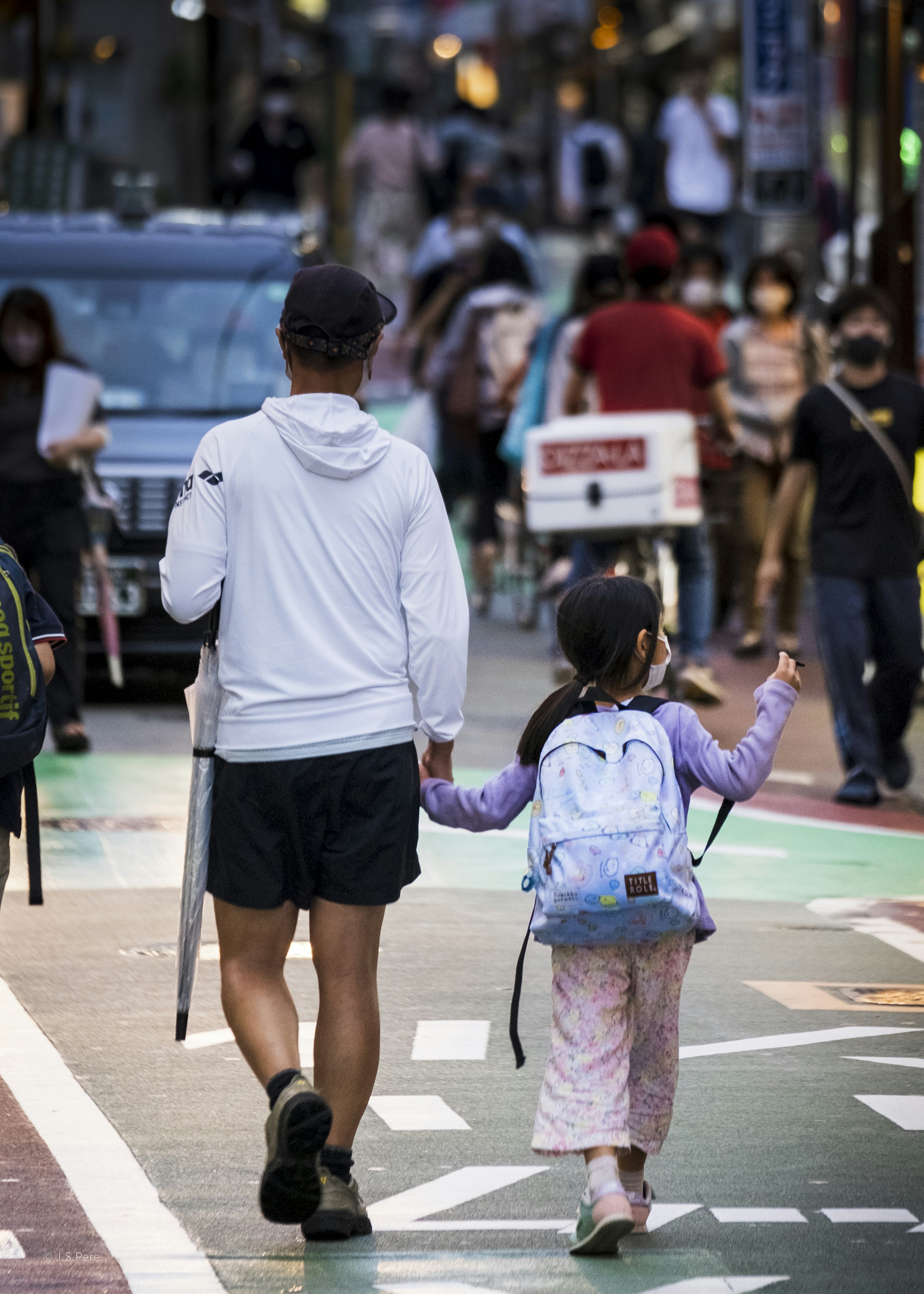
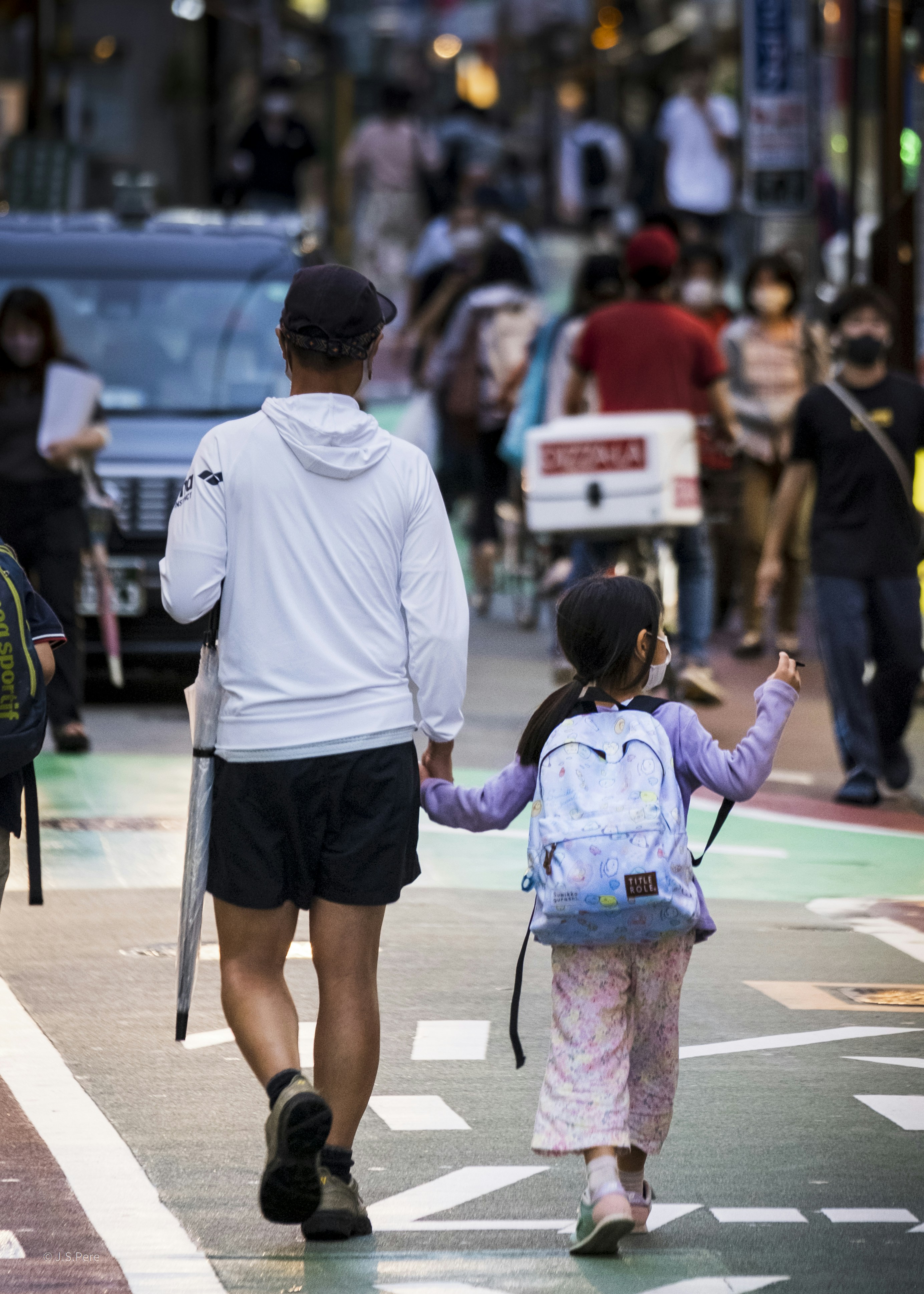
Japan is one of the easier countries to travel with young kids — trains run on time, streets are safe to walk at night, and convenience stores are everywhere for emergency snacks and supplies. The parts that actually trip families up are narrower than you’d think: stroller logistics on trains, finding a nursing/diaper-change spot, and picking restaurants that won’t side-eye a toddler. Here’s what to actually plan around.
Getting Around with a Stroller
Tokyo’s subway isn’t stroller-hostile, but it isn’t uniformly easy either — older stations built before accessibility renovations can still mean stairs with no elevator on one particular exit, even if the station overall has one somewhere. A few practical habits help:
- Check the elevator location before you arrive, not after — Tokyo Metro and Toei both publish barrier-free/accessible route maps by station, and the elevator exit is often far from the platform’s central stairs.
- Avoid rush hour (roughly 7:30–9:30am and 5:30–7:30pm on weekdays) with a stroller if you can — trains get packed enough that folding the stroller and carrying your child becomes the realistic option.
- A soft carrier as a backup for stairs-only situations saves a lot of stress versus wrestling a stroller up an unexpected staircase.
Nursing Rooms and Diaper-Changing
Look for “赤ちゃんの駅” (Baby Station) — this isn’t one single national chain, but a network of locally registered spaces (run city-by-city and prefecture-by-prefecture) inside department stores, supermarkets, and public facilities where anyone can freely nurse or change a diaper, usually marked with a baby-station sticker or sign at the entrance. Major department stores almost always have a dedicated nursing room (授乳室) with a diaper-changing table, sink, and sometimes a bottle warmer, typically on a family-restroom floor. JR East has also been steadily adding nursing spaces and diaper-changing beds inside larger stations — worth checking before a long train day if you’ll need one mid-journey.
Restaurants That Won’t Mind Kids
Japan doesn’t have a single universal signal for “kid-friendly” the way some countries do, but a few patterns are reliable:
- Family restaurant chains (Gusto, Saizeriya, Bikkuri Donkey) almost always have kids’ chairs, kids’ menus (お子様ランチ), and don’t mind noise or mess.
- Conveyor-belt sushi (Sushiro, Kura Sushi, Hama Sushi) works well for kids who are picky or restless — the visual novelty of food arriving on a belt buys you time, and portions are small and cheap.
- Curry chains like Coco Ichibanya let you dial spice level down to zero, which solves a lot of picky-eater problems in one move.
- If a restaurant doesn’t have a highchair or kids’ menu visible, it’s not necessarily unwelcoming — but smaller specialty restaurants (ramen counters, izakaya) are genuinely built around adult customers and tight seating, so they’re worth skipping with young kids in tow.

Shinkansen Fares for Kids (2026 rules)
| Age group | Fare | Condition |
|---|---|---|
| Under 6 (pre-elementary school) | Free | Up to 2 children per fare-paying adult, if riding on the adult’s lap or in an unreserved car. A 3rd child, or a reserved seat of their own, requires a child fare ticket. |
| 6–11 (elementary school age) | Half price | Applies to both the base fare and the reserved-seat surcharge. |
| 12 and up | Full adult fare | Even if still in the same grade of school as a younger sibling paying child fare. |
If you’re traveling with a child under 6 and want the guarantee of seats together, book a reserved seat and pay the child fare rather than relying on the free lap-ride rule and hoping the unreserved car isn’t full — this matters especially during Golden Week, Obon, or other peak periods.
Spots That Actually Work for Kids
- teamLab (Planets or Borderless-style digital art museums): genuinely engaging for kids old enough to walk around and touch things, though strollers are often not allowed inside — check before you go.
- KidZania Tokyo: a role-play “mini city” where kids do simulated jobs; best for roughly ages 3–12, and tickets are timed-entry, so book ahead.
- Ghibli Museum (Mitaka) and Ghibli Park (near Nagoya): hugely popular with families, but both use advance lottery or timed ticketing systems that sell out — this is not a walk-up attraction, plan weeks ahead.
- Ueno Zoo: an easy, low-effort half-day, and it’s inside Ueno Park, which has enough green space to let kids burn off energy afterward.
- Cup Noodles Museum (Yokohama): a hands-on activity (kids design and make their own instant noodle cup) that tends to hold attention longer than a typical museum visit.
FAQ
- Is Japan generally easy to travel with kids? Yes — the safety and reliability of public transport make it easier than many destinations, even though stroller logistics need a bit more planning than a car-based trip.
- Do I need to bring my own stroller, or can I rent one? Both work; some airports and major stations offer stroller rental, but bringing a lightweight umbrella stroller you already know how to fold quickly is usually less hassle.
- What age is easiest for a first Japan trip with kids? Roughly 4–10 tends to be the sweet spot — old enough to walk and engage with hands-on attractions, young enough to still get the free/discounted shinkansen fares.

Don’t waste your first day in Japan hunting for WiFi
Install it before you board — your eSIM is already connected the second you land.
🏪 No shop visit
💳 No roaming bill shock
2-minute setup · works the moment you land
Related Guides
Leave a Reply