
This isn’t medical advice — it’s a map of where to go and who to call. Japan’s system for getting care as a visitor is genuinely good, but it splits into two separate tracks that trip up a lot of first-timers: drugstores for anything you can treat yourself, and hospitals/clinics for anything that needs a doctor. Mixing the two up wastes time when you’re not feeling well.
Drugstore (OTC) vs. Hospital/Clinic (prescription) — the key difference
- A drugstore (ドラッグストア, doraggu sutoa — chains like Matsumoto Kiyoshi, Sundrug, Cocokara Fine) sells over-the-counter medicine, no prescription or doctor visit needed. This covers colds, headaches, upset stomach, allergies, and minor injuries.
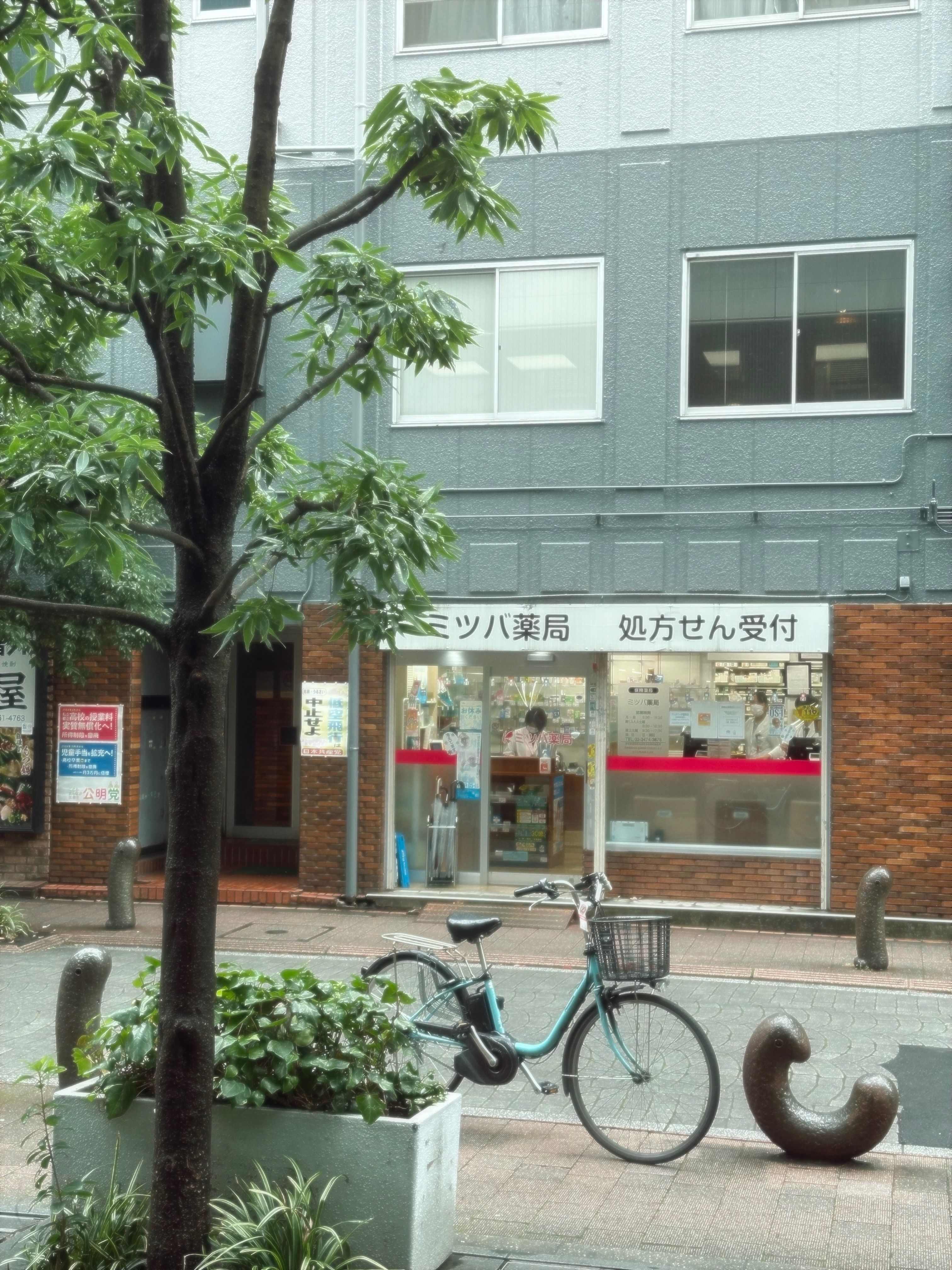
- A dispensing pharmacy (調剤薬局, chōzai yakkyoku) fills prescriptions written by a doctor. These are usually small, standalone counters clustered right next to hospitals and clinics — if you see a cluster of small pharmacies near a hospital entrance, that’s why. You cannot walk in and buy prescription-only medication here without a prescription.
- Confusingly, some large drugstore chains have both — a general retail floor plus a small 調剤 (chōzai) prescription counter at the back or side. Look for that kanji or a sign reading “処方せん受付” (prescription reception) if you need to know whether a specific branch fills prescriptions.

Finding an English-speaking hospital
- JNTO’s medical institution search lets you filter by region, department (specialty), language spoken, and whether the facility accepts credit cards or has JMIP accreditation (a certification specifically for hospitals set up to handle international patients). This is the single best starting point if you’re not in an emergency and can search calmly.
- AMDA International Medical Information Center — a free multilingual phone line: 0120-339-266 (or 03-6233-9266 from a mobile/overseas number). They point you to a nearby facility that can handle your language and, since January 2025, can also provide free phone interpretation during your actual hospital visit — a staff member holds the phone up and an interpreter relays between you and the doctor in real time.
- JNTO Japan Visitor Hotline — 050-3816-2787 (from overseas: +81-50-3816-2787), open 24 hours, 365 days a year, in English, Chinese, Korean, and Japanese. It’s meant for exactly this kind of situation: sudden illness, accidents, or needing help figuring out where to go.
If it’s an emergency: calling an ambulance
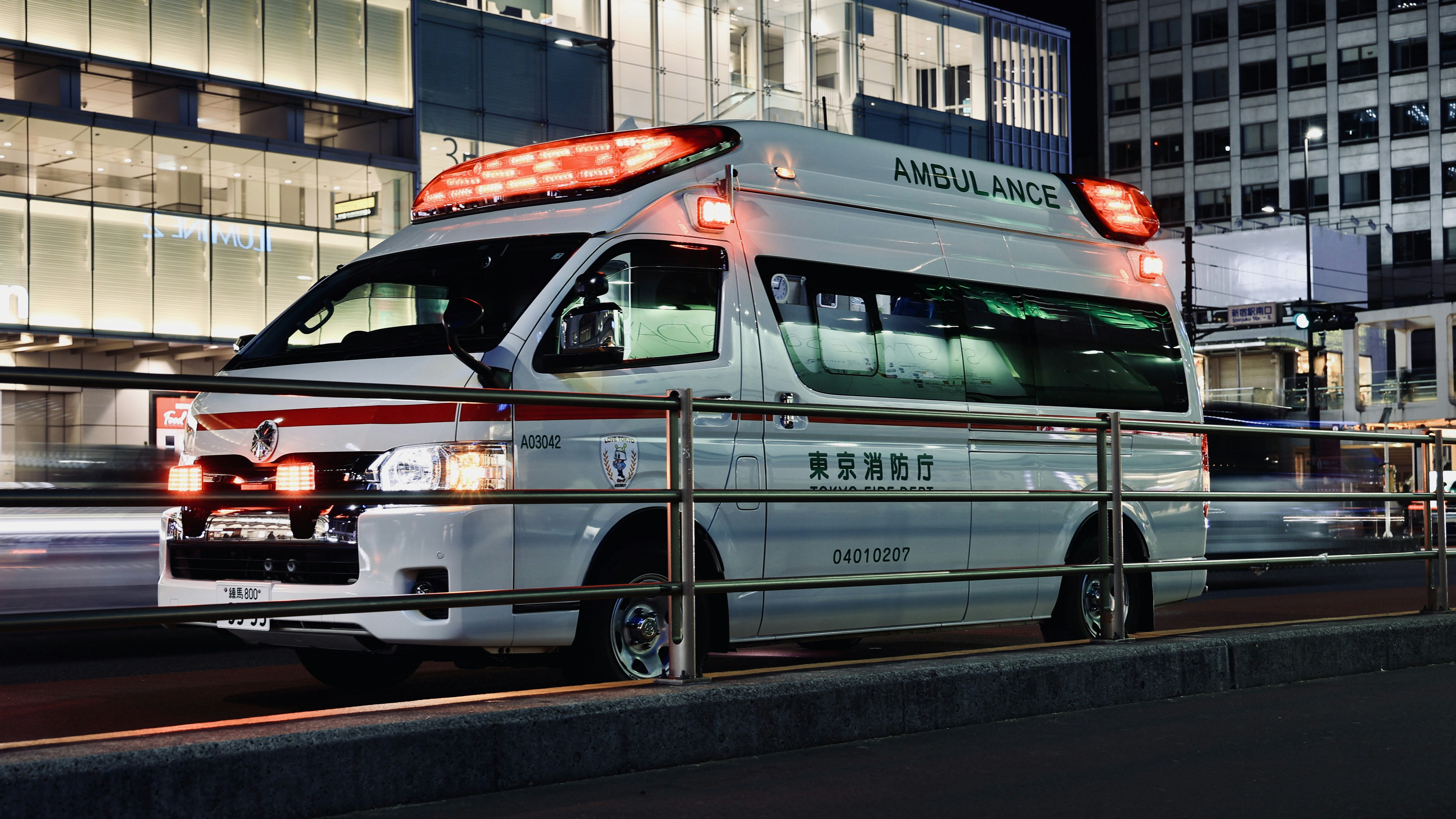
- 119 is the number for both fire and ambulance in Japan (not 110 — that’s police). Calling an ambulance is genuinely free in Japan regardless of nationality; you don’t pay a callout fee. The hospital treatment you receive afterward is billed separately and normally, which is exactly why travel insurance matters — see below.
- English support on the 119 line varies by region and can be limited. Many areas can conference in a translator, but don’t assume fluent English on the first call — speak slowly, state “English please,” and be ready to give your location as precisely as possible (a nearby landmark or hotel name if you don’t know the address).
- #7119 is a separate, non-emergency triage line where a nurse or doctor helps you decide whether you actually need an ambulance or can see a doctor the next day instead. As of 2026 it’s rolling out prefecture by prefecture rather than nationwide, so it may not be available everywhere you travel — don’t rely on it as a backup if you haven’t confirmed your current prefecture has it.
Travel insurance: why it matters here specifically
Japan’s ambulance ride is free, but hospital treatment is not, and Japan’s public health insurance (which subsidizes costs for residents) does not apply to short-term tourists. Without travel insurance, you’re billed the full rate directly. This is less about affordability at a convenience-store-medicine level and much more about protection if something serious happens — an ER visit, a hospital stay, or medical evacuation.
Buying medicine without being able to read the package
Japanese OTC packaging is grouped by strength rather than always labeling the active ingredient in English:
- Class 1 (第1類医薬品): the strongest OTC category — a pharmacist has to be physically present to sell it and must explain the risks to you directly. These are often kept behind the counter, not on the open shelf.
- Class 2 (第2類医薬品): most everyday cold, allergy, and pain medicine falls here — sold by a pharmacist or a registered seller (登録販売者).
- Class 3 (第3類医薬品): lower-risk items like vitamins — freely available on the shelf.
Practically, this means: if you can’t find what you need on the open shelf, it may be sitting behind the counter as a Class 1 item — ask staff rather than assuming it’s out of stock. For headaches, “EVE” and “Bufferin” are widely recognized brand names; for upset stomach, “Ohta’s Isan” (太田胃散) and “Seirogan” (正露丸) are common go-tos — recognizing the brand name is often faster than trying to read the ingredient list.
FAQ
- Do I need to speak Japanese to see a doctor? No — start with JNTO’s medical institution search or the AMDA hotline to find English-language-capable facilities before you go, or ask your hotel front desk to help call ahead.
- Is calling an ambulance free? Yes, the ambulance itself is free regardless of nationality — the hospital treatment afterward is billed separately, which is what travel insurance is for.
- Can I just go to any hospital? Larger hospitals often require a referral or charge an extra fee for walk-ins without one; for non-emergencies, a neighborhood clinic (クリニック) or the JNTO/AMDA search tools to find an English-capable one is usually the smoother first stop.
- What number do I call for police vs. ambulance? 110 for police, 119 for fire and ambulance — easy to mix up under stress, so it’s worth remembering before you need it.
This article is for general orientation only and is not medical advice. In a medical emergency, call 119 (or your local emergency number) directly.

Don’t waste your first day in Japan hunting for WiFi
Install it before you board — your eSIM is already connected the second you land.
🏪 No shop visit
💳 No roaming bill shock
2-minute setup · works the moment you land
Related Guides
Leave a Reply