Two days is enough to see Kyoto’s biggest names without racing the clock all day — as long as you split the city by direction instead of hopping back and forth. This itinerary keeps Day 1 in the east (Fushimi Inari, Kiyomizu-dera, Gion) and Day 2 in the west (Arashiyama, Kinkaku-ji), so you’re never backtracking across town.
Day 1: Fushimi Inari → Kiyomizu-dera → Gion
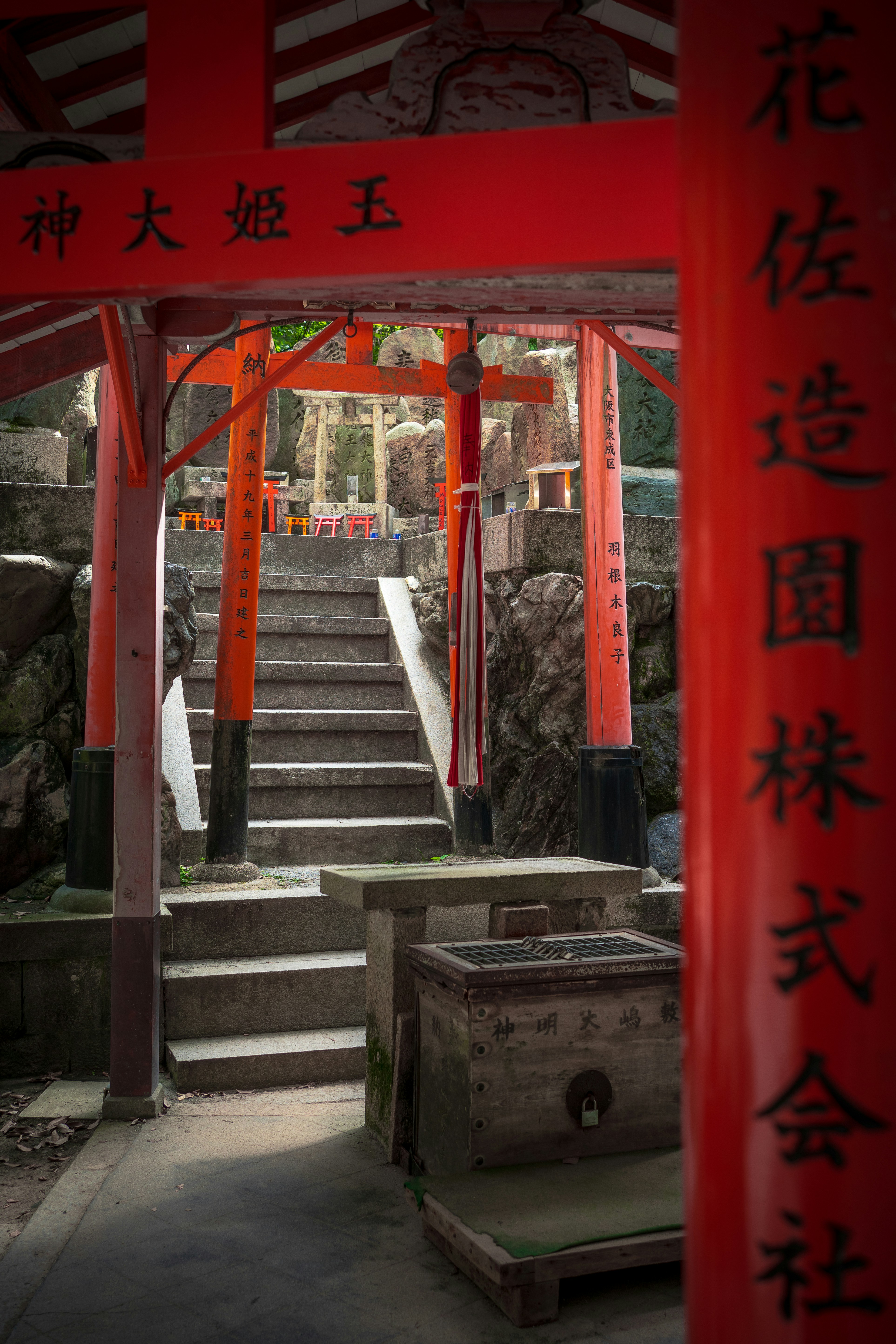
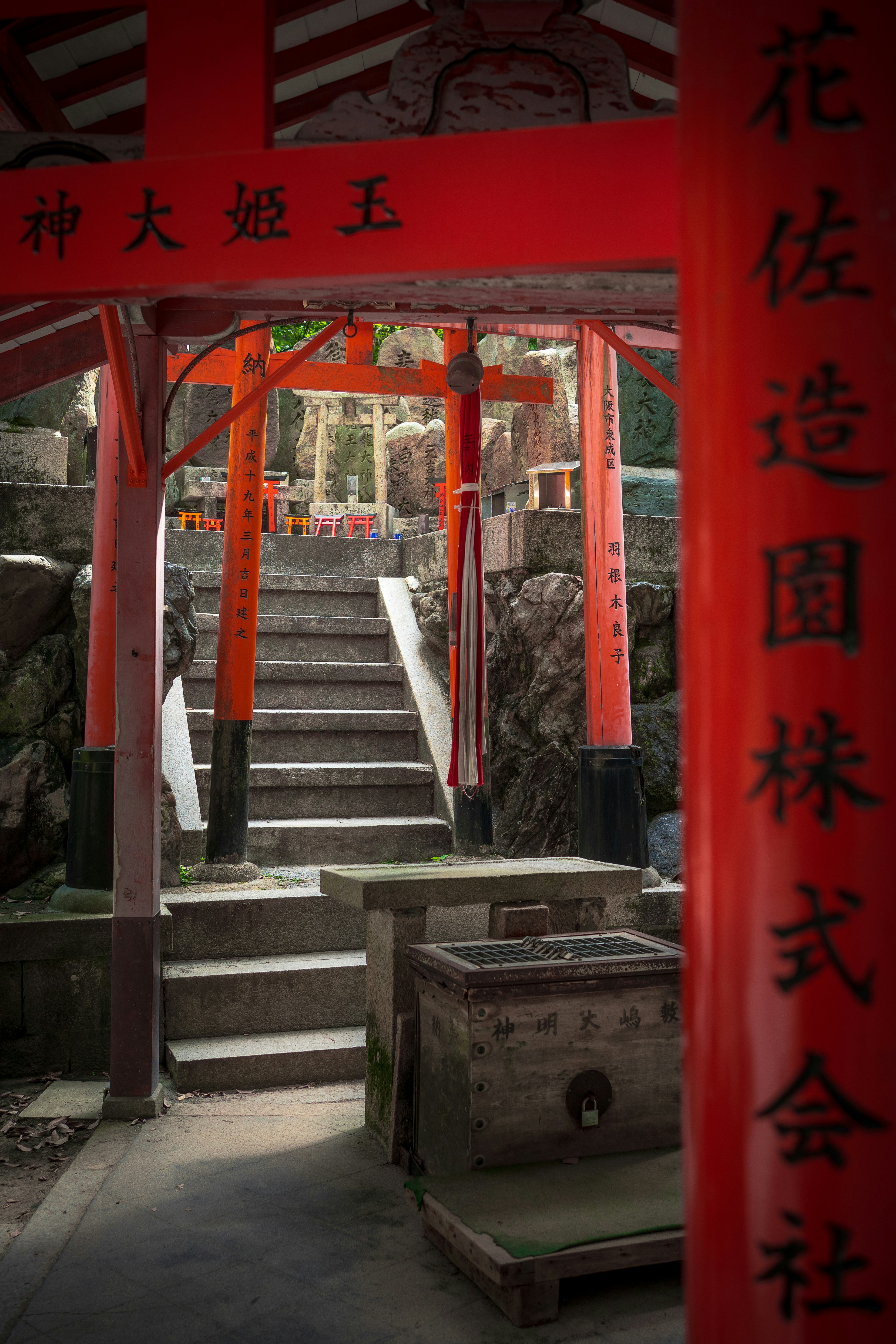
- Early morning (7:00–9:00am): Fushimi Inari Taisha. The shrine and its thousands of torii gates are open 24 hours and free to enter — get there before 8am and you’ll have long stretches of the gate tunnels almost to yourself. By 10am, tour buses fill the lower path and photos without strangers in them get hard.
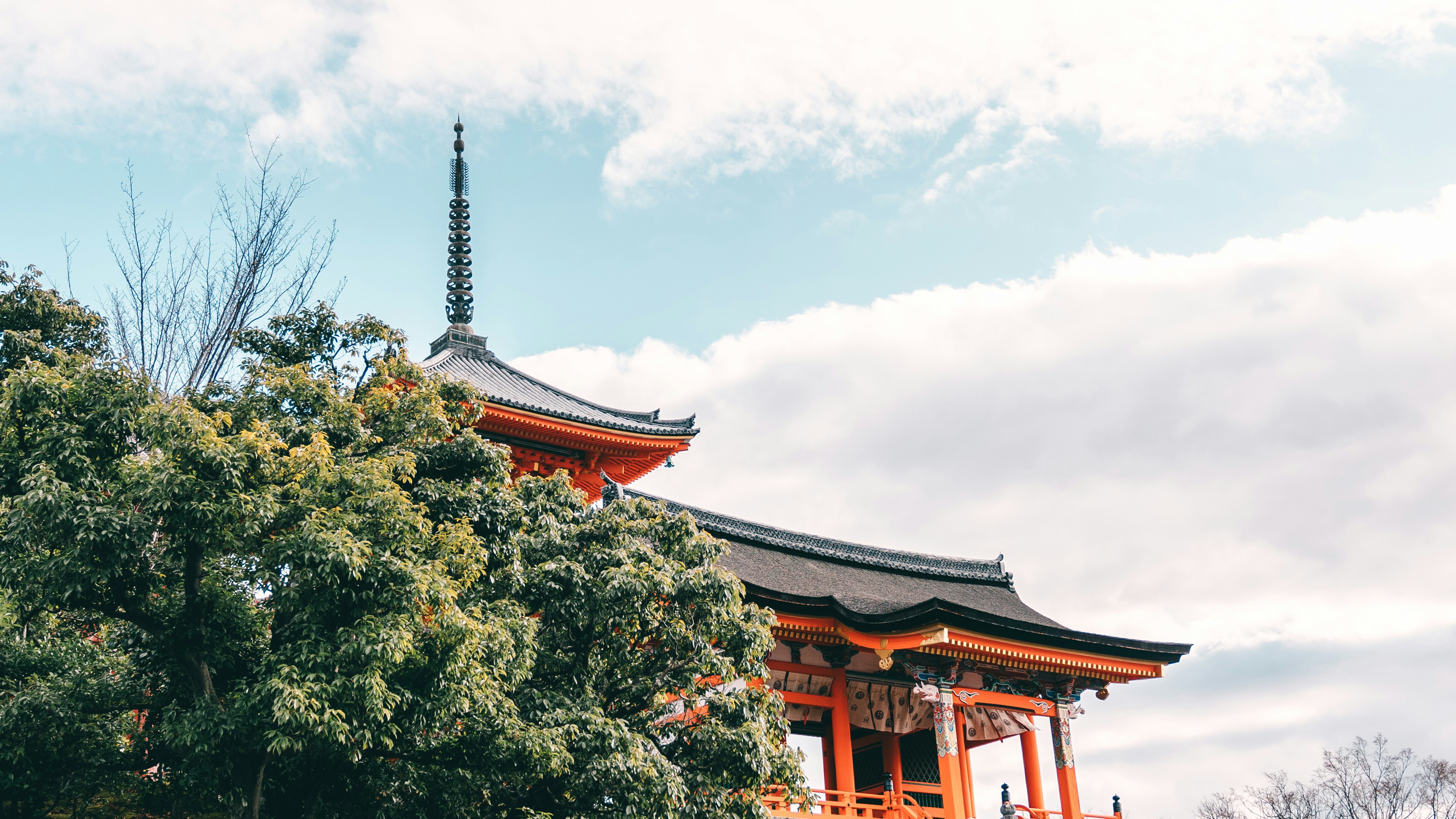
- Late morning: Kiyomizu-dera. About 20–25 minutes by taxi or bus from Fushimi Inari. The wooden stage overlooking the hillside is the main draw; the approach street (Sannen-zaka/Ninen-zaka) is worth a slow walk even though it’s touristy.
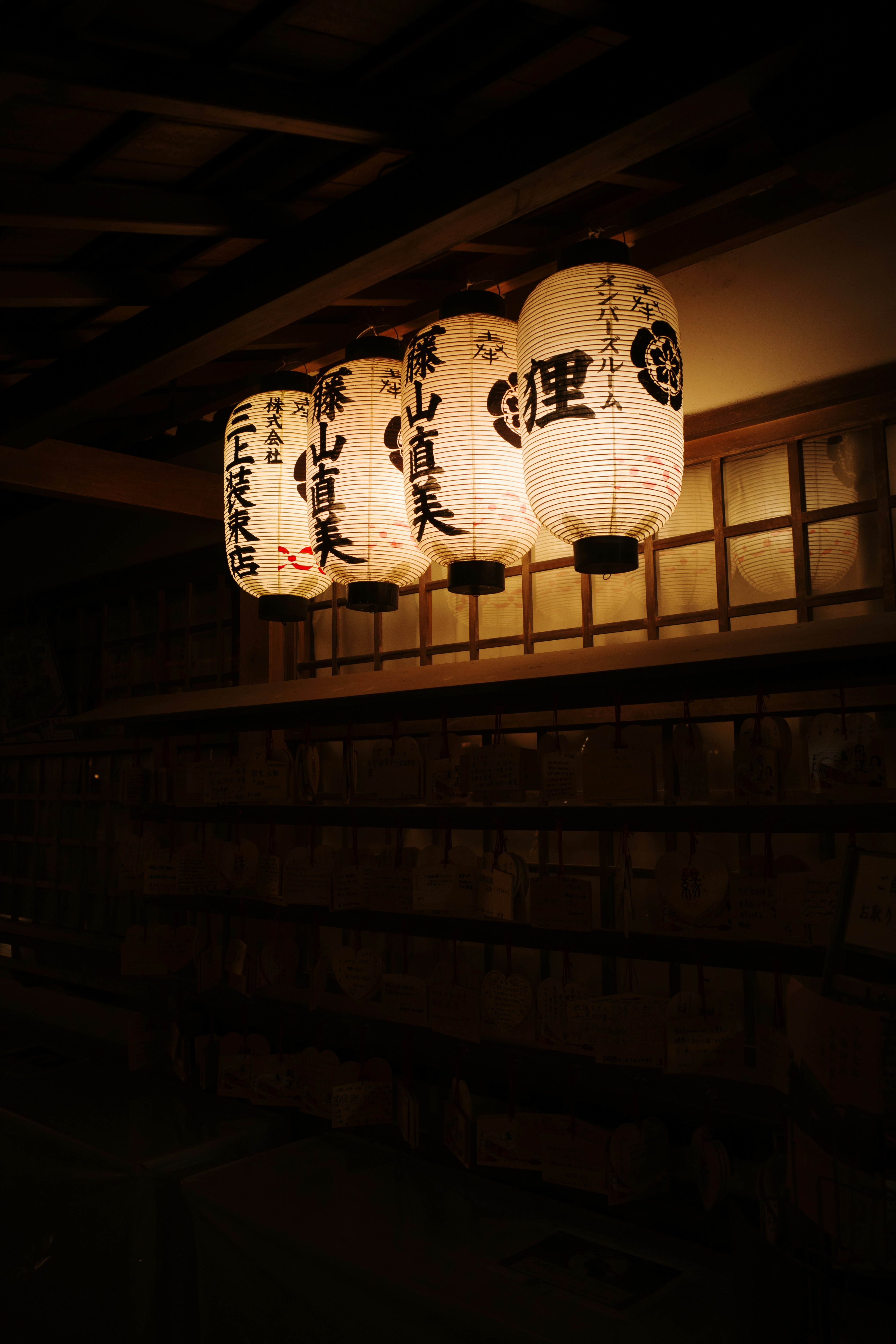
- Afternoon–evening: Gion. Walk from Kiyomizu-dera down through Higashiyama to Gion (about 20–30 minutes on foot, or a short bus ride). Hanami-koji street and the area around Yasaka Shrine are at their most atmospheric right at dusk, when the lanterns come on and the day-trip crowds have mostly cleared out.
Day 2: Arashiyama → Kinkaku-ji
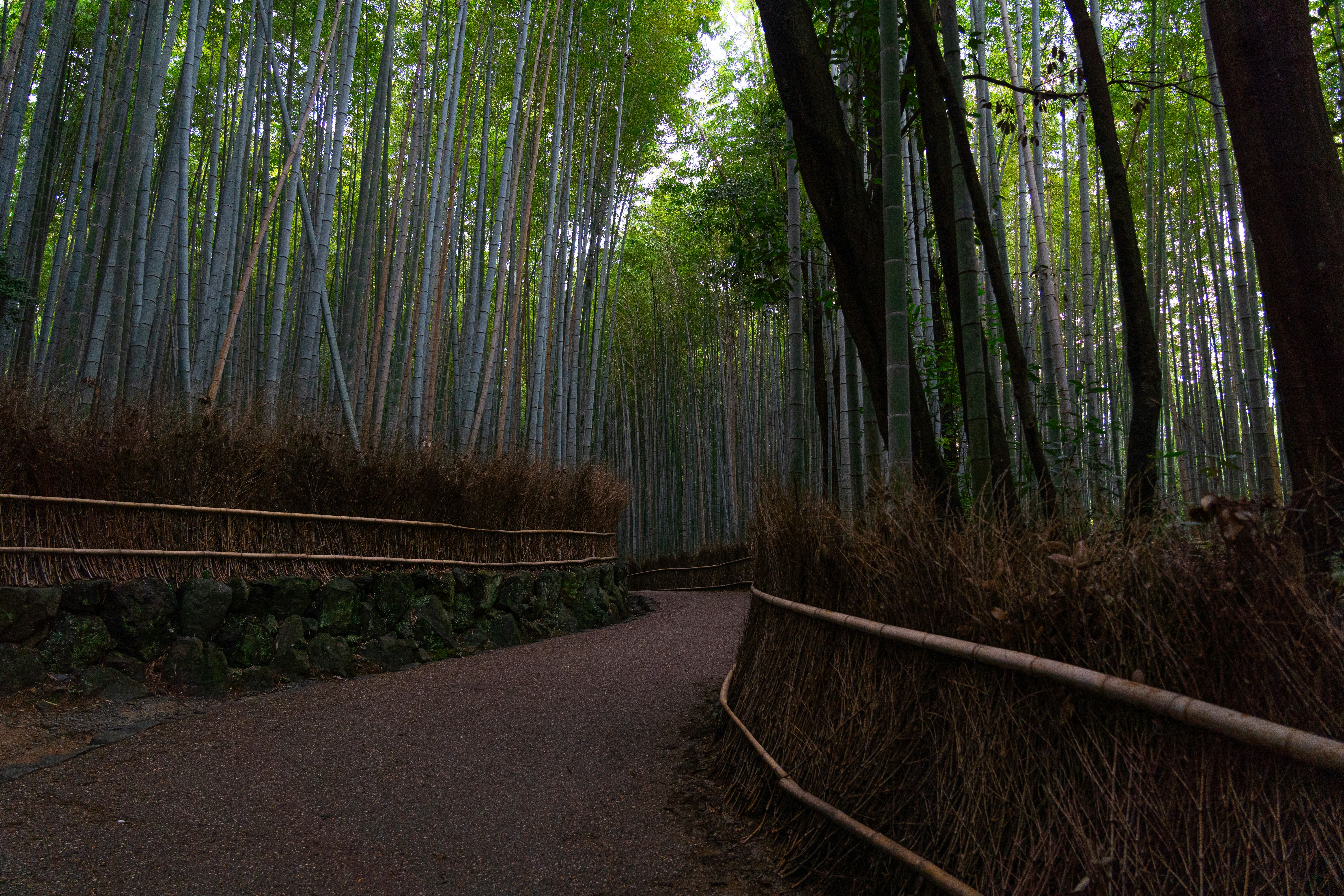
- Early morning (8:00am or earlier): Arashiyama Bamboo Grove. This is the single most crowd-sensitive stop in Kyoto — it’s a narrow path with no ticket gate, so it fills up fast. Arriving at opening time (most of the grove is accessible from around 8am) is the difference between an empty green tunnel and a shuffling queue for photos.
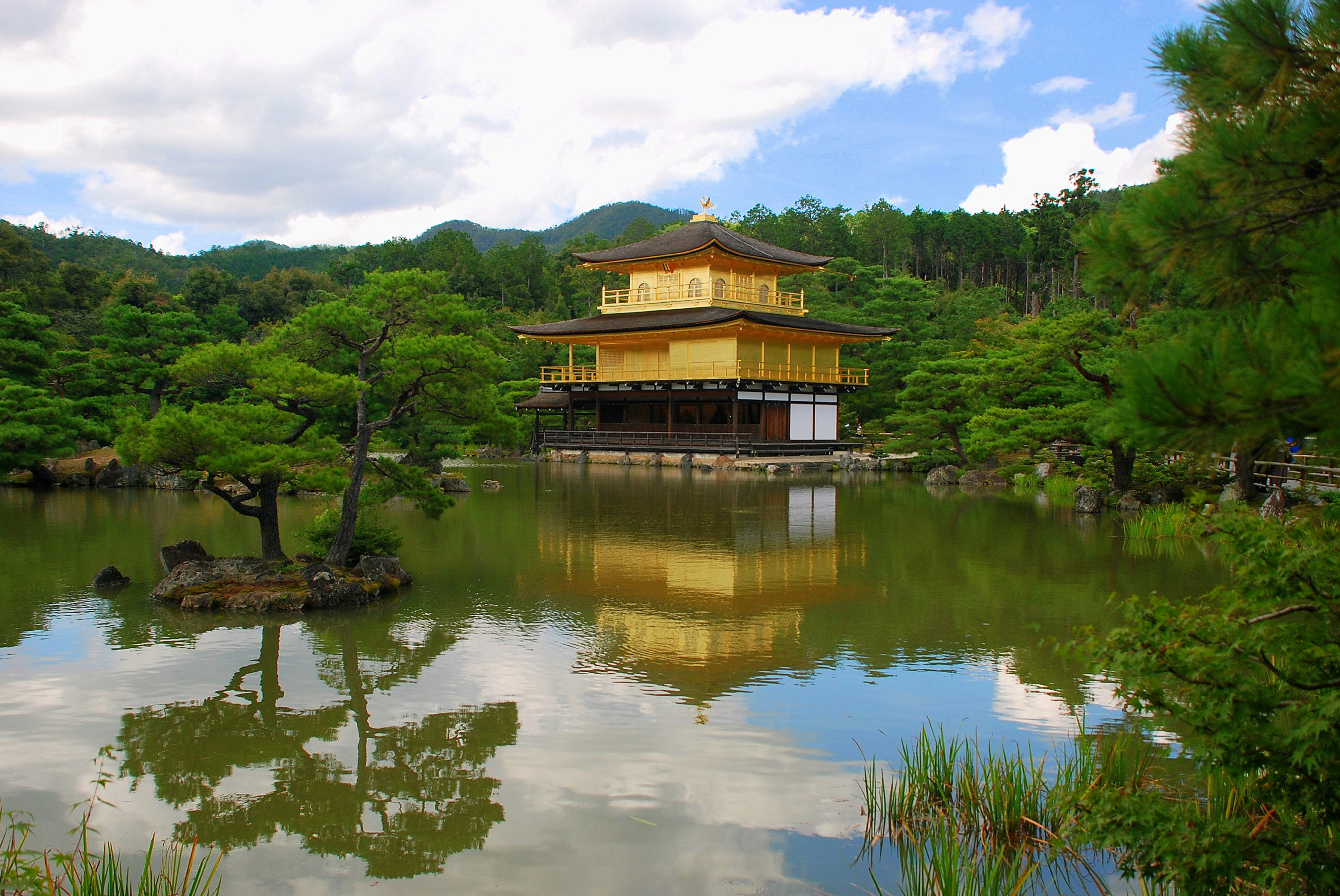
- Late morning: Kinkaku-ji (Golden Pavilion). About 30–40 minutes from Arashiyama by bus or taxi. It’s a short, self-contained visit (30–45 minutes) built around one iconic view across the pond, so it fits easily before or after lunch.
Afternoon: If you have energy left, Nijo Castle or a slower loop back through central Kyoto for shopping (Nishiki Market, Shinkyogoku) both work well as a lower-key finish.
Getting Around: Bus Pass vs. Subway
A lot of older travel guides still recommend Kyoto’s ¥700 all-day bus pass — it was discontinued on September 30, 2023, and stopped being accepted entirely after March 2024. As of 2026, here’s what’s actually available:
| Option | Price | Worth it if… |
|---|---|---|
| Single bus ride (flat fare, central zone) | ¥230 | You’re taking 4 or fewer rides in a day |
| Subway + Bus 1-Day Pass | ¥1,100 (child ¥550) | You’re taking 5+ rides — this itinerary’s Day 1 (bus-heavy) is close to that line |
| IC card (Suica/Icoca), pay-as-you-go | Per ride | You’re mixing a little bus, a little subway, and some walking — most travelers end up cheapest this way |
For this specific 2-day route, the subway does most of the heavy lifting on Day 2 (Arashiyama and Kinkaku-ji are both easiest by bus from a subway/train connection), while Day 1 leans more on buses between Fushimi Inari, Kiyomizu-dera, and Gion. Do the math on your actual planned rides before buying the pass — Kyoto City Transportation Bureau’s own guidance is that under 5 rides a day, you’re better off paying per trip.
One thing to watch for beyond 2026: Kyoto has proposed a first-in-Japan dual-pricing system for city buses, where residents would pay a discounted ¥200 fare and non-residents (tourists) would pay ¥350–¥400. It’s targeted for rollout sometime in fiscal year 2027 and isn’t in effect yet as of this writing, but if you’re planning a return trip after that, check current fares before assuming ¥230 still applies.
FAQ
- Is 2 days enough for Kyoto? Enough for the essential five (Fushimi Inari, Kiyomizu-dera, Gion, Arashiyama, Kinkaku-ji) — but Kyoto rewards a third or fourth day if you have it, especially for Nara or Uji as an easy add-on.
- Which day should I do first if I only have one free morning to beat crowds? Fushimi Inari — it’s the one place on this list that’s genuinely open and worth visiting before sunrise.
- Do I need to book anything in advance? No timed tickets are required for any of these five sites, unlike some Tokyo attractions — just show up.

Don’t waste your first day in Japan hunting for WiFi
Install it before you board — your eSIM is already connected the second you land.
🏪 No shop visit
💳 No roaming bill shock
2-minute setup · works the moment you land
Related Guides
Leave a Reply