Quick answer: Arima Onsen, tucked in the mountains above Kobe, is counted among Japan’s Three Ancient Springs, with a recorded imperial visit dating back to 631 CE. The warlord Toyotomi Hideyoshi was so fond of the town that he visited repeatedly in the 1580s and 1590s and built a private bathhouse there, the remains of which were rediscovered after the 1995 Great Hanshin earthquake. The town is known for two distinct spring waters — iron-rich “golden” kinsen and clear, carbonated “silver” ginsen — and sits roughly an hour from Osaka or Kobe by train and bus.
A Legend of Three Wounded Crows
Arima’s own founding story is told as legend rather than history. According to tradition, two gods traveling the country in search of medicinal herbs came across three injured crows bathing their wounds in a puddle of reddish water — and that puddle, the story goes, was the source of Arima Onsen. It’s a charming origin tale rather than a documented event, but it captures something true about the springs: their waters really are naturally iron-rich and reddish in tone, which likely helped inspire the legend in the first place.
An Imperial Retreat Since the 7th Century
Arima’s documented history begins remarkably early. The Nihon Shoki, Japan’s oldest official chronicle, records that Emperor Jomei visited Arima Onsen in 631 CE and stayed for about three months. That makes Arima one of the earliest hot springs in Japanese history with a written imperial visit on record, and it’s part of why the springs are cited in 8th-century literature as one of Japan’s “Three Ancient Springs” (santoko), alongside Dogo Onsen in Ehime Prefecture and Nanki-Shirahama Onsen in Wakayama Prefecture.
Toyotomi Hideyoshi’s Favorite Retreat
Arima’s most famous historical patron arrived nearly a thousand years later. Toyotomi Hideyoshi, the warlord who unified Japan in the late 16th century, took his first trip to Arima in 1583 and returned repeatedly afterward, along with his wife, Nene, to relax and recuperate at the springs. Hideyoshi was fond enough of the town that he had a private bathhouse and garden, known as the Yudono, built there for his personal use.
That bathhouse was lost to history for centuries — until the 1995 Great Hanshin earthquake, which struck the Kobe region and, in its aftermath, led to the accidental rediscovery of the buried ruins believed to be Hideyoshi’s own bath structure. The remains are now preserved and displayed at the Taiko-no-yudono Museum (“Taiko” being an honorific title associated with Hideyoshi), letting visitors see artifacts connected directly to the warlord’s visits.

Golden and Silver Springs
Part of what makes Arima distinctive among Japan’s onsen towns is that it produces two chemically different types of spring water from the same small area — a rarity even among Japan’s many hot spring resorts. Kinsen (“golden spring”) is an iron- and salt-rich water that turns a distinctive reddish-bronze color on contact with air and is said to warm the body deeply. Ginsen (“silver spring”) is by contrast clear, containing carbonate and radium, and has a lighter, more refreshing character. The town’s two public bathhouses, Kin-no-yu (“gold bath”) and Gin-no-yu (“silver bath”), let day visitors experience each type without booking a full ryokan stay.

How to Get There
From Shin-Kobe or Sannomiya (central Kobe): Take the Kobe Municipal Subway to Tanigami Station, then transfer to the Kobe Electric Railway (Shintetsu) to Arima Onsen Station — roughly 30 minutes total.
Direct highway bus: Hankyu Bus and JR Bus both operate direct highway buses to Arima Onsen — about 50 minutes from Shin-Osaka Station, or about 60 minutes from Hankyu Umeda Station or JR Osaka Station, running once or twice per hour.
Scenic route via Mount Rokko: From central Kobe, take the Hankyu Kobe Line to Rokko Station, then the Rokko Cable Car up the mountainside. From the summit, a bus connects to the Rokko-Arima Ropeway, a roughly 12-minute cable car ride down into Arima Onsen itself — slower than the direct bus, but a genuinely scenic way to arrive.
From Kyoto or Tokyo: Take the Tokaido Sanyo Shinkansen to Shin-Kobe Station, then follow the subway/Shintetsu route above (about 30 minutes) or catch a direct highway bus if available from Shin-Kobe.
Visiting Tips
- Try both spring types: Kin-no-yu and Gin-no-yu, the town’s two public bathhouses, are the easiest way to sample both kinsen (golden) and ginsen (silver) waters without a ryokan stay.
- Many ryokan allow day-use bathing: Even without an overnight stay, a number of Arima’s traditional inns let day visitors pay to use their hot spring baths — a good option for combining a soak with a nicer facility.
- Visit the Taiko-no-yudono Museum: The excavated ruins of Hideyoshi’s private 16th-century bathhouse are a short and worthwhile stop for history-minded visitors.
- Best seasons: Autumn foliage (November) and winter snow both suit Arima’s mountain setting especially well, though the town is a pleasant escape from Kansai’s summer heat in any season.
FAQ
What’s the difference between Arima’s two spring types?
Kinsen (“golden spring”) is iron- and salt-rich water that turns reddish-bronze on exposure to air and is known for its warming effect; ginsen (“silver spring”) is clear, carbonate- and radium-bearing water with a lighter, more refreshing feel. Both are available at the town’s public bathhouses.
Can I visit Arima Onsen as a day trip from Osaka or Kyoto?
Yes — it’s roughly an hour from Osaka by direct highway bus or train/subway combination, and about 1.5–2 hours from Kyoto including transfers, making it a realistic half-day or full-day excursion without an overnight stay.
Is Arima really one of Japan’s “three ancient springs”?
Yes — Arima is cited in 8th-century literature alongside Dogo Onsen (Ehime) and Nanki-Shirahama Onsen (Wakayama) as one of Japan’s Three Ancient Springs, and its documented history includes a recorded imperial visit as early as 631 CE.
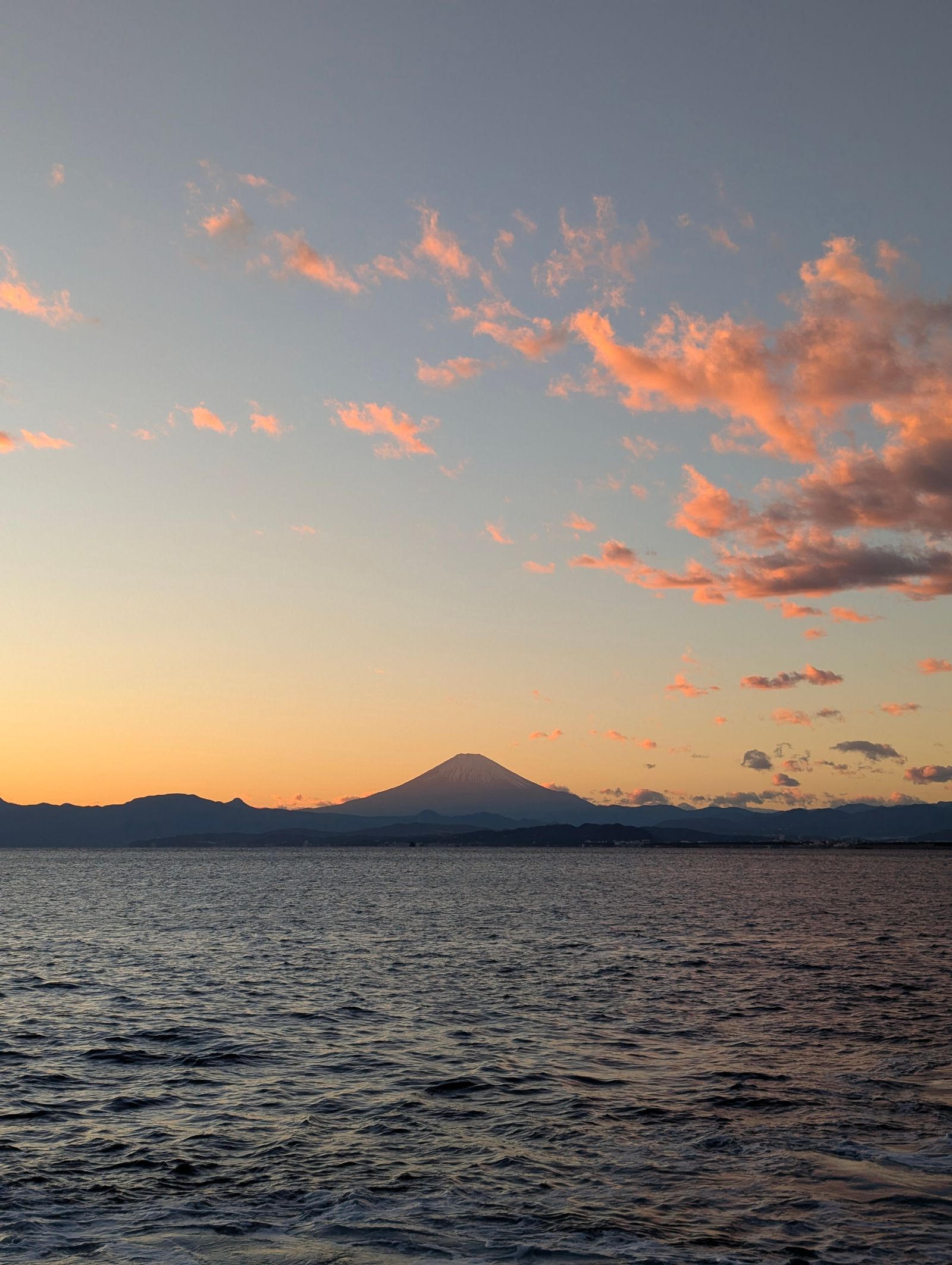
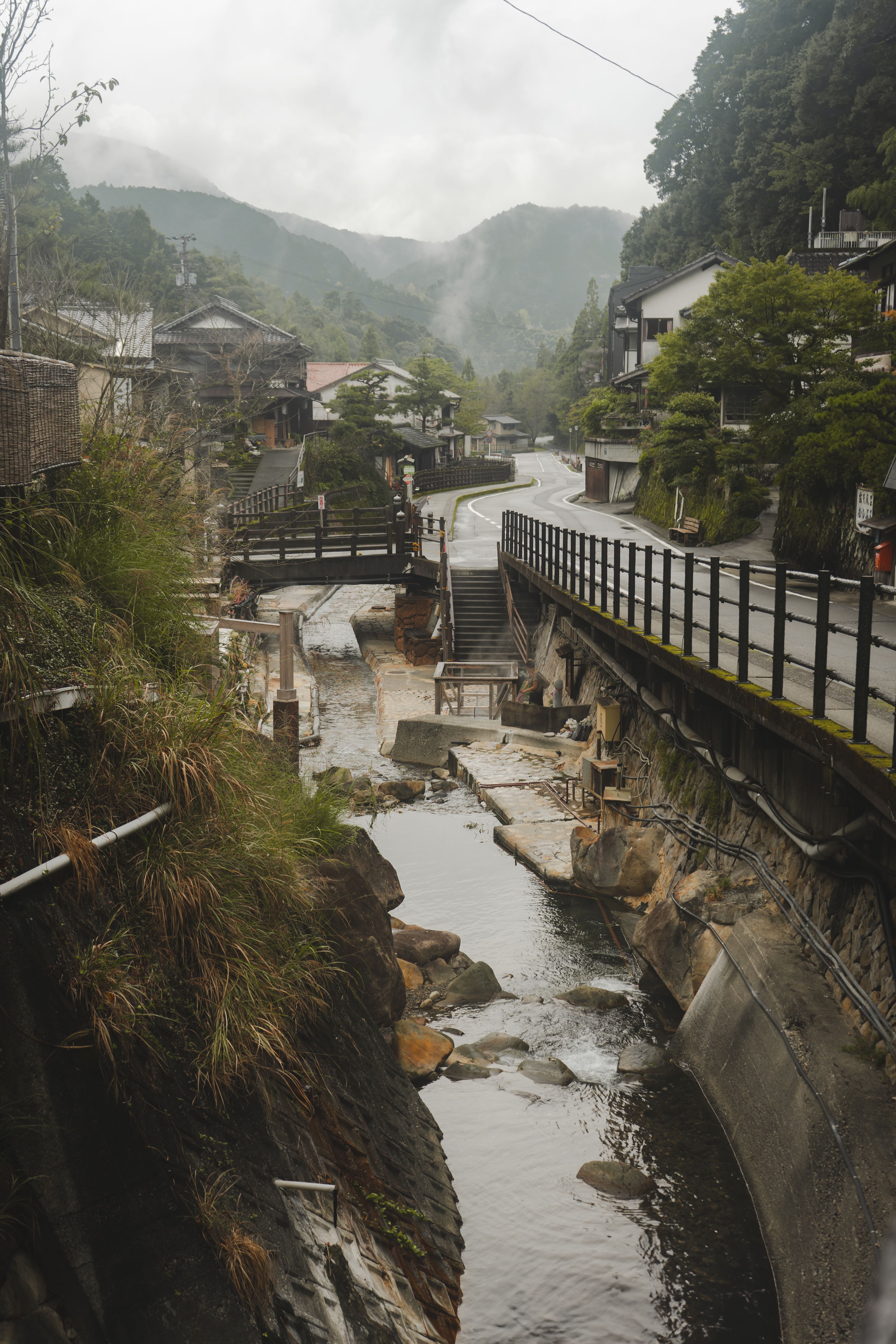
Note on images: A genuine, verified photograph of Arima Onsen itself could not be located on Unsplash or Pexels, so both images above are honest, disclosed substitutes rather than photos of Arima specifically. Image 1 shows a traditional Japanese onsen village, but in Tanabe, Wakayama Prefecture, not Arima — used here only to illustrate the general look of a mountain hot-spring town. Image 2 shows a generic outdoor Japanese hot spring bathing scene with no specific location identified.

Don’t waste your first day in Japan hunting for WiFi
Install it before you board — your eSIM is already connected the second you land.
🏪 No shop visit
💳 No roaming bill shock
2-minute setup · works the moment you land
Leave a Reply