
Quick answer: Kunozan Toshogu is the shrine built on the direct orders of Tokugawa Ieyasu, on a hilltop overlooking Suruga Bay near Shizuoka City, where the founder of the Tokugawa shogunate was buried within a year of his death in 1616. Completed in under two years — two decades before the more famous Nikko Toshogu even existed — it served as the architectural model for every other Toshogu shrine in Japan, and many historians believe Ieyasu’s actual remains are still here, even though his soul was ceremonially “divided” to Nikko in 1617.
A Shogun’s Final Instructions
Tokugawa Ieyasu died on April 17, 1616, at age 75, at Sunpu Castle in what is now Shizuoka City — the retirement seat from which he’d continued to oversee the shogunate he’d founded. Before his death, he instructed his retainers to bury him at Kunozan, a fortified hilltop just outside the city that had once held a Sengoku-era castle. His son and successor, the second shogun Tokugawa Hidetada, carried out those wishes and ordered a shrine built on the spot. Construction began the following month under the master carpenter Nakai Masakiyo and was completed in roughly one year and seven months — remarkably fast for a project of this scale.
The Original Toshogu
Kunozan Toshogu was the first Toshogu shrine ever built anywhere in Japan, and its gongen-zukuri architectural style — connecting the main worship hall and inner sanctuary under a single continuous roof — became the template that later Toshogu shrines followed. That includes the shrine most visitors think of first: Nikko Toshogu, built two decades later in 1636 by Ieyasu’s grandson, the third shogun Tokugawa Iemitsu, on a far grander scale. Kunozan came first, though, and its more compact, older complex is where the whole tradition of deifying Ieyasu as Tosho Daigongen actually began.
Where Is Ieyasu Actually Buried?
One year after the initial burial at Kunozan, in 1617, Ieyasu’s enshrined spirit was ceremonially divided and moved to the newly built shrine at Nikko — the version of the story most visitors to Nikko hear. But the question of where Ieyasu’s physical remains actually rest has never been fully settled. A meaningful body of historical evidence — including the fact that successive Tokugawa shoguns continued making pilgrimages specifically to Kunozan on the anniversary of Ieyasu’s death — has led many historians to believe his body was never moved from its original resting place at all, and that Kunozan, not Nikko, is where Ieyasu actually lies.

National Treasure Status and the Treasure Museum
The shrine’s honden (main hall), ishinoma (stone chamber), and haiden (worship hall) complex was designated a National Treasure in 2010, recognizing both its architectural and historical significance as the founding Toshogu shrine. On the grounds, a treasure museum displays items connected to Ieyasu himself, including armor, swords, and gifts received through his diplomatic dealings — a smaller, quieter counterpart to the more heavily visited exhibits at Nikko.
How to Get There
Kunozan Toshogu sits on a mountain above the Shimizu/Nihondaira area of Shizuoka City, overlooking Suruga Bay.
From Shizuoka Station via the ropeway (recommended, avoids the stone steps): Take a Shizutetsu Justline bus bound for Nihondaira Ropeway from Shizuoka Station (about 45 minutes), then ride the Nihondaira Ropeway (about 5 minutes) up to Kunozan Station, which sits right beside the shrine. A taxi from Shizuoka Station to the Nihondaira ropeway base takes roughly 30 minutes and costs around ¥4,200.
From Shizuoka Station via the traditional stone stairway: Take a local bus toward Kunozan-shita (often transferring at Higashi-Otani), then climb the mountainside on foot. There are 1,159 stone steps zig-zagging up from the base to the shrine, taking about 20 minutes and offering sweeping views over Suruga Bay along the way.
Getting to Shizuoka Station: From Tokyo, the Tokaido Shinkansen (Hikari or Kodama; the faster Nozomi doesn’t stop at Shizuoka) takes roughly 50 minutes to 1 hour 10 minutes. From Osaka (Shin-Osaka), figure on around 2 hours via Hikari, longer via Kodama with a possible transfer. From Nagoya, it’s about an hour.
Visiting Tips
- Choose your route based on stamina: The ropeway is the easier option if 1,159 steps sounds daunting, especially in summer heat; the stairway is free and rewards the climb with panoramic bay views.
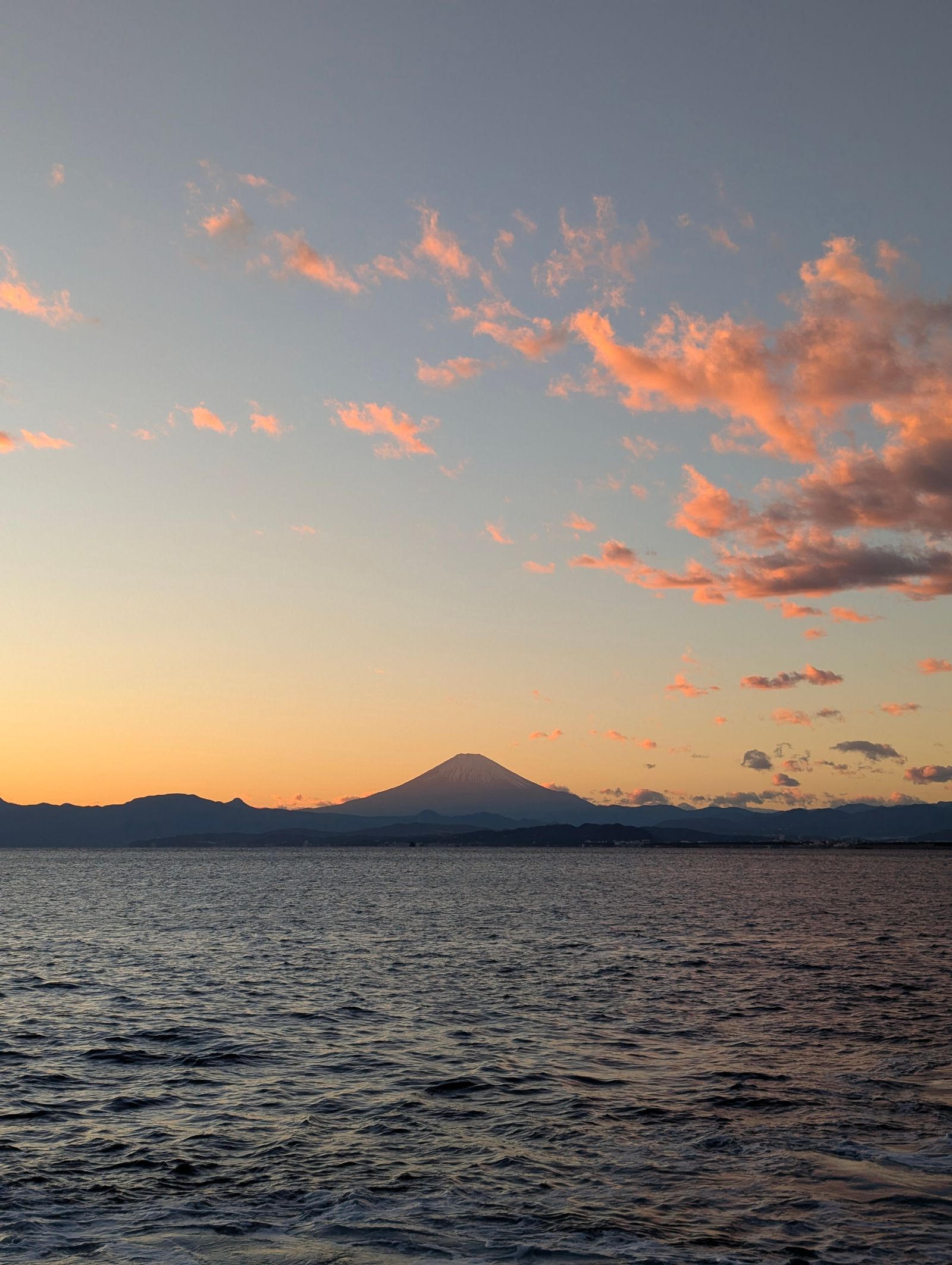
- Combine with Nihondaira: The Nihondaira plateau above the ropeway’s base station has its own observation deck (the Nihondaira Dream Terrace) with views toward Mount Fuji on clear days — worth pairing with the shrine visit.
- Budget 1.5–2 hours total for the shrine grounds and treasure museum, more if you’re combining it with Nihondaira.
- The treasure museum charges separate admission from the shrine grounds — check current hours, as they can differ seasonally.

FAQ
Is this the same as Nikko Toshogu?
No, though the two are closely related. Kunozan Toshogu was built first, in 1616–1617, and its design became the model for Nikko Toshogu, which was built on a much larger and more elaborate scale two decades later, in 1636.
Is Ieyasu’s grave actually here, or at Nikko?
It’s genuinely debated. His spirit was ceremonially “moved” to Nikko in 1617, but a substantial body of historical opinion holds that his physical remains never left Kunozan.
How many steps are there to climb?
1,159 stone steps on the traditional Omotesando approach from the base of the mountain. The Nihondaira Ropeway route avoids the climb entirely.
Getting There
Nearest station: JR Shizuoka Station, followed by a bus and either a ropeway or a long stone stairway.
From Shizuoka Station, take a bus toward Nihondaira (about 35–40 minutes), then ride the Nihondaira Ropeway up to the shrine (about 5 minutes). Alternatively, a direct bus runs to the Kunozan-shita stop at the foot of the mountain (about 50 minutes), from where it’s a climb of 1,159 stone steps, roughly 20 minutes. A taxi to Nihondaira takes about 30 minutes and costs around ¥4,200.

Don’t waste your first day in Japan hunting for WiFi
Install it before you board — your eSIM is already connected the second you land.
🏪 No shop visit
💳 No roaming bill shock
2-minute setup · works the moment you land
Leave a Reply