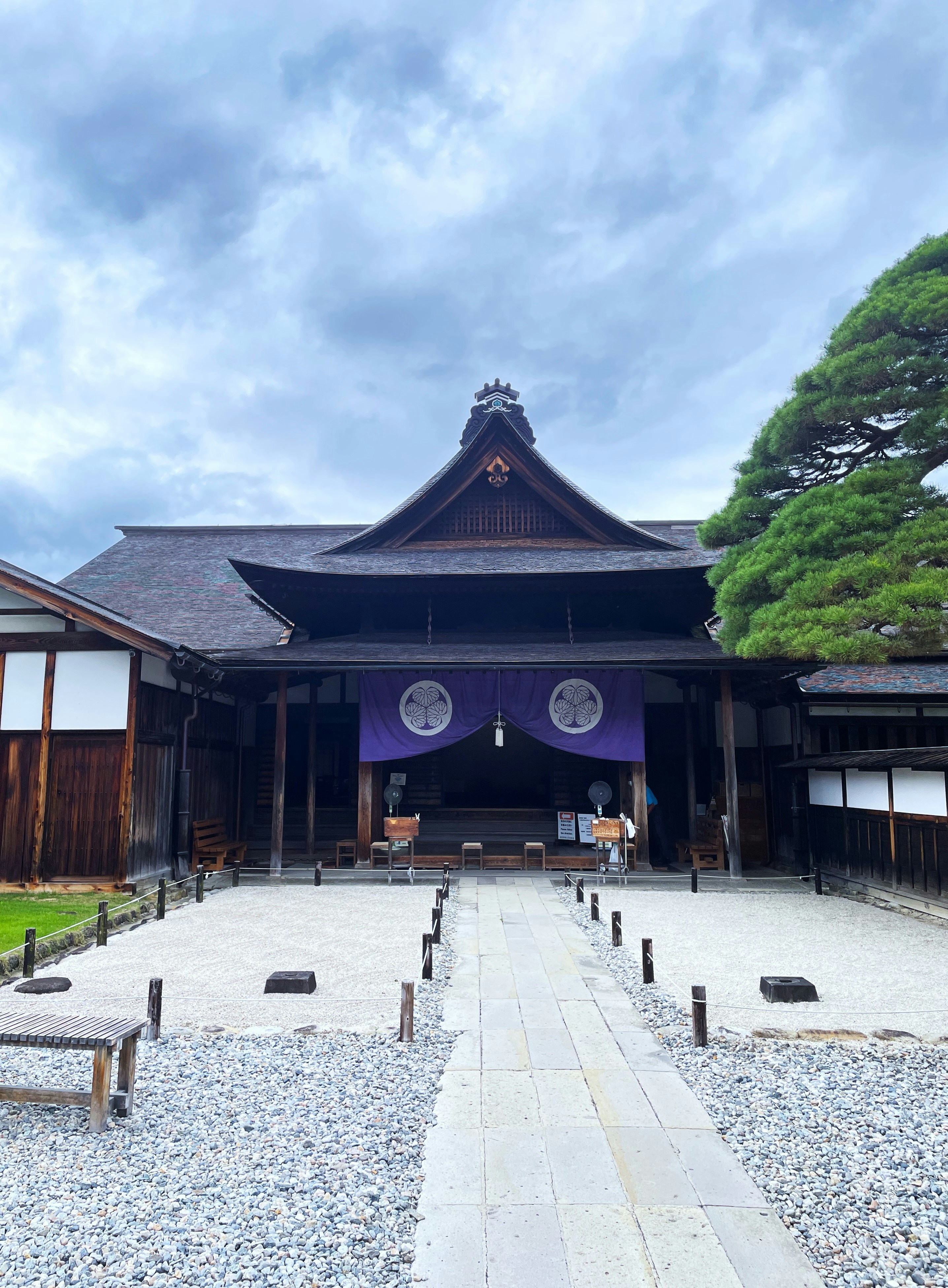
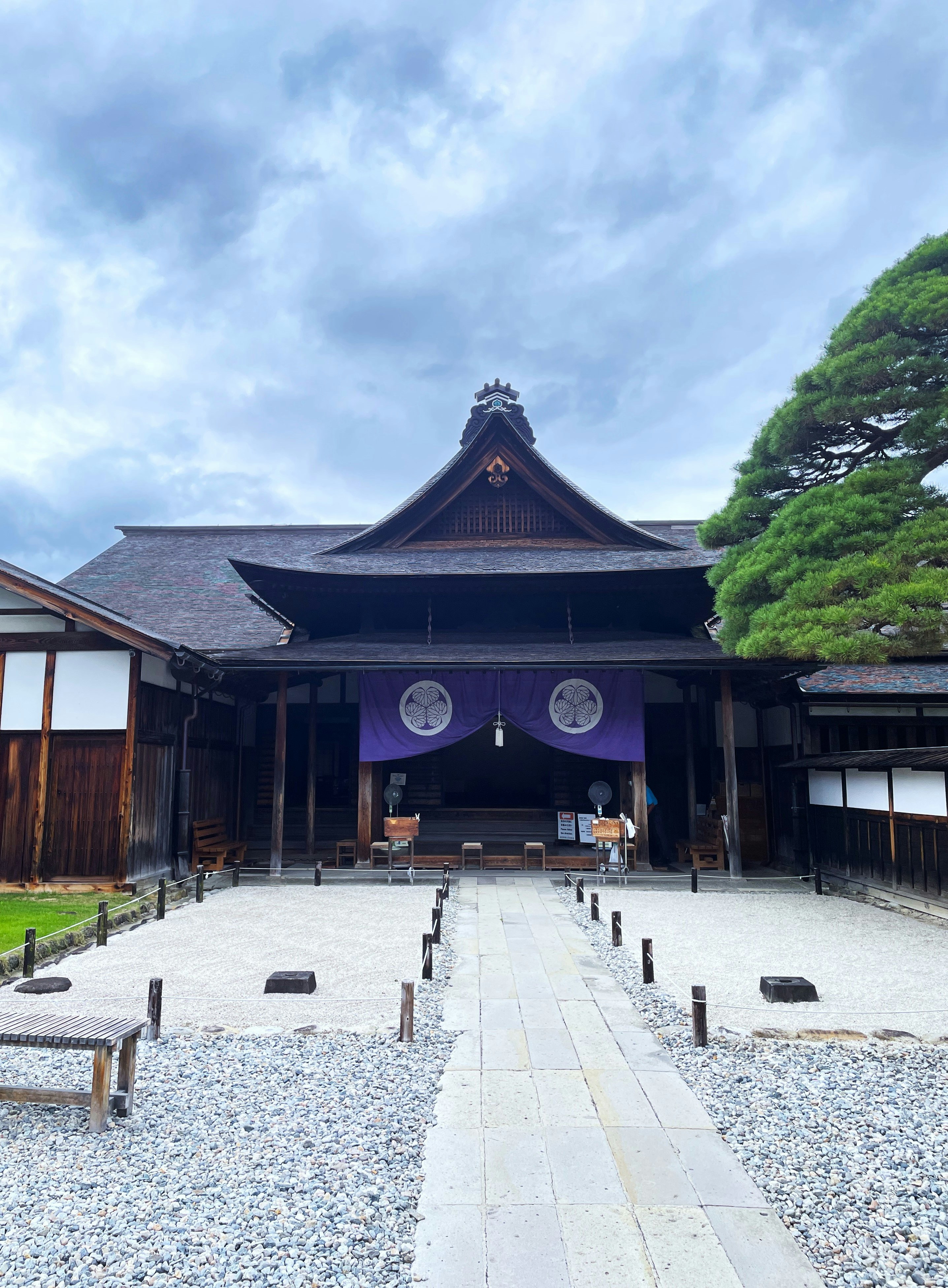
Quick answer: Takayama Jinya is the only Edo-period provincial government office (jinya) still standing anywhere in Japan, used continuously as a seat of local administration from 1692 — when the Tokugawa shogunate took direct control of timber- and mineral-rich Hida province — all the way until 1969. Paired with Takayama’s beautifully preserved Sanmachi-suji old merchant district a few minutes’ walk away, it makes the Gifu Prefecture mountain town of Takayama one of the best-preserved slices of Edo-period Japan you can walk through today.
From Daimyo Residence to Shogunate Outpost
The building began life as the residence of the Kanamori clan, who ruled the Hida region as feudal lords for over a century starting in the 1580s. That changed in 1692, when the Tokugawa shogunate abolished the Kanamori domain and brought Hida under its own direct control — a status known as tenryo. The reason was resource, not politics: Hida’s mountains held valuable timber along with gold, silver, and copper deposits, all of which the shogunate wanted managed directly from Edo rather than through a local lord. The former Kanamori residence was repurposed as the new administrative headquarters, and the building has been known as Takayama Jinya ever since.
176 Years, 25 Governors
For 176 years, a succession of 25 shogunate-appointed officials governed Hida province from this single building, first holding the title of daikan and, after 1777, the higher rank of gundai — a promotion that came with expanded responsibility for shogunate territory in the neighboring provinces of Mino, Echizen, and Etchu as well. Inside, the preserved rooms tell the story of what that governance actually looked like day to day: tatami offices for paperwork and taxation, formal reception rooms for visiting officials, and a starkly plain interrogation room used for the office’s judicial functions, complete with the tools of Edo-period criminal justice on display.
The Great Rice Granary
Just beside the main residence stands the Onkura, a massive earthen-walled rice granary relocated here in 1695 from the outer grounds (sannomaru) of the now-vanished Takayama Castle. It’s considered one of the oldest and largest surviving Edo-period rice granaries in Japan, and its original purpose was entirely practical: storing the nengu, the annual rice tax collected in kind from villages across the Hida region, before it was shipped onward to feed the shogunate’s administration.
A Government Office Until 1969
What makes Takayama Jinya genuinely unique isn’t just its Edo-period pedigree but its sheer staying power. After the Meiji Restoration ended the shogunate in 1868, most jinya across Japan were demolished or repurposed beyond recognition. Takayama Jinya instead kept functioning as a government office — first under the new Meiji administration, later as a prefectural building — all the way until 1969, nearly 280 years after it first opened. That unbroken institutional use is precisely why so much of the original structure survived intact for restoration, and it’s now preserved and open to the public as a Nationally Designated Historic Landmark.
The Sanmachi-suji Old Town
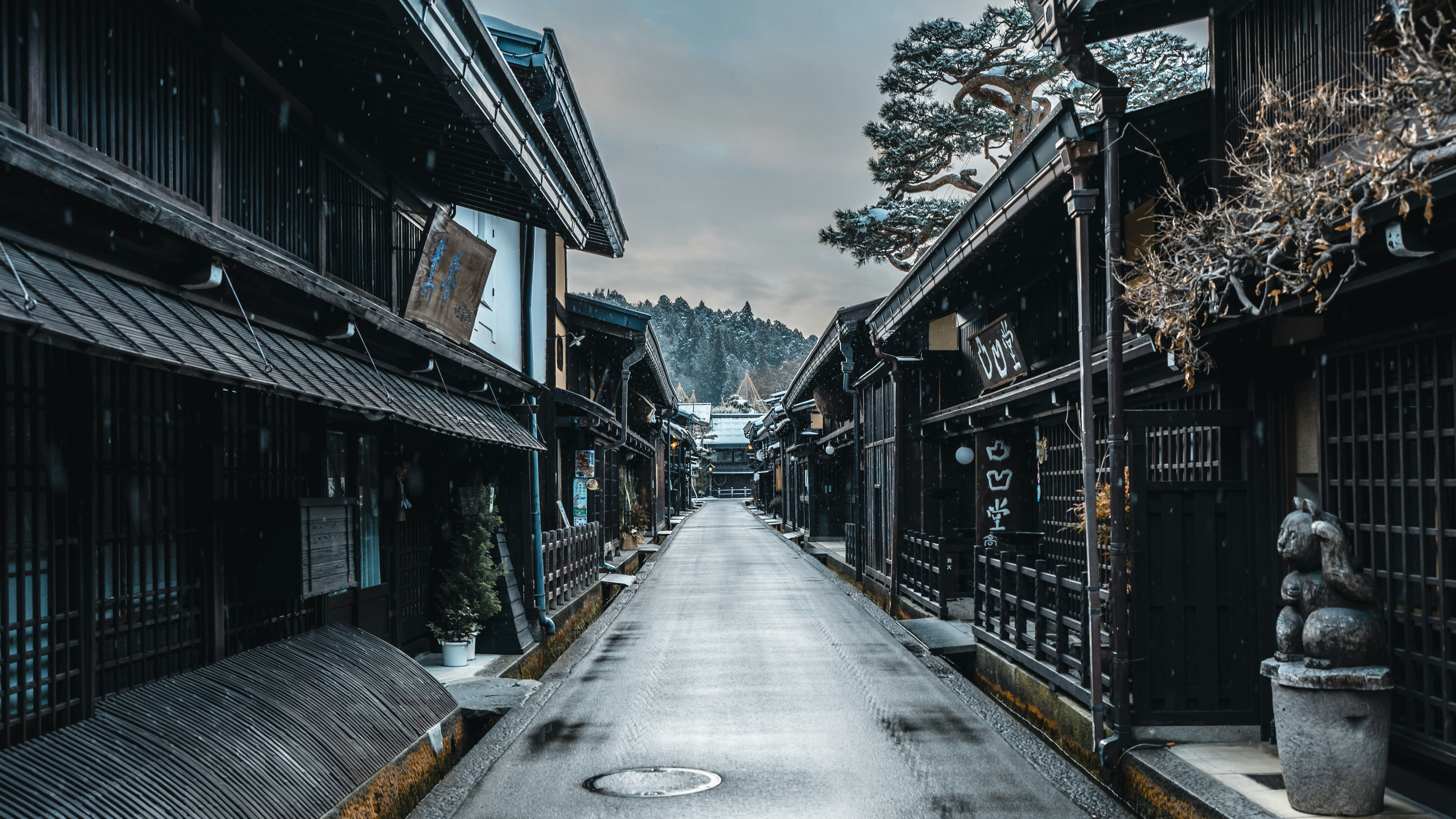
A short walk from the Jinya, the Sanmachi-suji district preserves rows of dark wooden merchant houses, sake breweries marking their new brew with round cedar-frond balls (sugidama) hung over the door, and narrow lanes largely unchanged since the Edo and Meiji periods. Along the nearby Miyagawa River, the Miyagawa Morning Market sets up daily, selling local produce and crafts — a good complement to the more formal history on display at the Jinya itself.
How to Get There
Takayama Jinya sits in Takayama City, Gifu Prefecture, in the mountainous Hida region.
From Takayama Station to the Jinya: It’s about a 10-minute walk, or a 5-minute ride on the Takumi Bus Tozai Line from the bus center — either way, it’s well within the compact central sightseeing area alongside the old town.
From Nagoya: Take the JR Hida limited express directly from Nagoya Station to Takayama Station; the ride takes about 2.5 hours.
From Tokyo: The fastest route is the Hokuriku Shinkansen from Tokyo to Toyama Station (roughly 2 to 2.5 hours), then transferring to the JR Hida limited express to Takayama (about 1.5 hours) — around 4 to 4.5 hours total. An alternative is via Nagoya: Tokaido Shinkansen to Nagoya (about 1 hour 40 minutes), then the Hida limited express (about 2.5 hours), for a similar overall time.
From Osaka: One direct Hida limited express service runs daily from Osaka Station to Takayama, taking about 4 hours 15 minutes. More frequent service is available by first taking the Tokaido Shinkansen to Nagoya (about 50 minutes), then the Hida limited express onward (about 2.5 hours).
Visiting Tips
- Budget about an hour: Takayama Jinya is open 8:45 AM–5:00 PM (last admission 4:30 PM), shorter in winter (closes 4:30 PM, last admission 4:00 PM); the self-guided route through the preserved rooms and granary takes roughly 45 minutes to an hour.
- Combine with the old town: Sanmachi-suji is a 5–10 minute walk away, and together with the Jinya, half a day comfortably covers both.
- Catch the morning market: The Miyagawa riverside morning market runs daily, typically from around 7:00 or 8:00 AM until early afternoon.
- Time it around the festivals if you can: The Takayama Matsuri festivals in spring (April) and autumn (October) feature the town’s famous ornate festival floats, though they also bring the largest crowds of the year.
FAQ
Is Takayama Jinya the same as Takayama Castle?
No. Takayama Castle, the Kanamori clan’s original hilltop fortress, was demolished in 1695 shortly after the shogunate took direct control. The Jinya is the separate lowland administrative residence that survived in its place.
Do I need a guide to understand the exhibits?
Not necessarily — free English-language pamphlets are available at the entrance, and English signage exists throughout, though a guide can add context on the judicial and taxation displays.
What’s the best time to visit Takayama?
Spring and autumn offer the most comfortable walking weather and, outside festival dates, relatively manageable crowds; winter brings snow scenes but colder temperatures.
Getting There
Nearest station: JR Takayama Station.
Takayama Jinya is an easy 10-minute walk from the station through the old town. If you’d rather not walk, the Takumi Bus Tozai Line covers the distance in about 5 minutes.

Don’t waste your first day in Japan hunting for WiFi
Install it before you board — your eSIM is already connected the second you land.
🏪 No shop visit
💳 No roaming bill shock
2-minute setup · works the moment you land
Leave a Reply