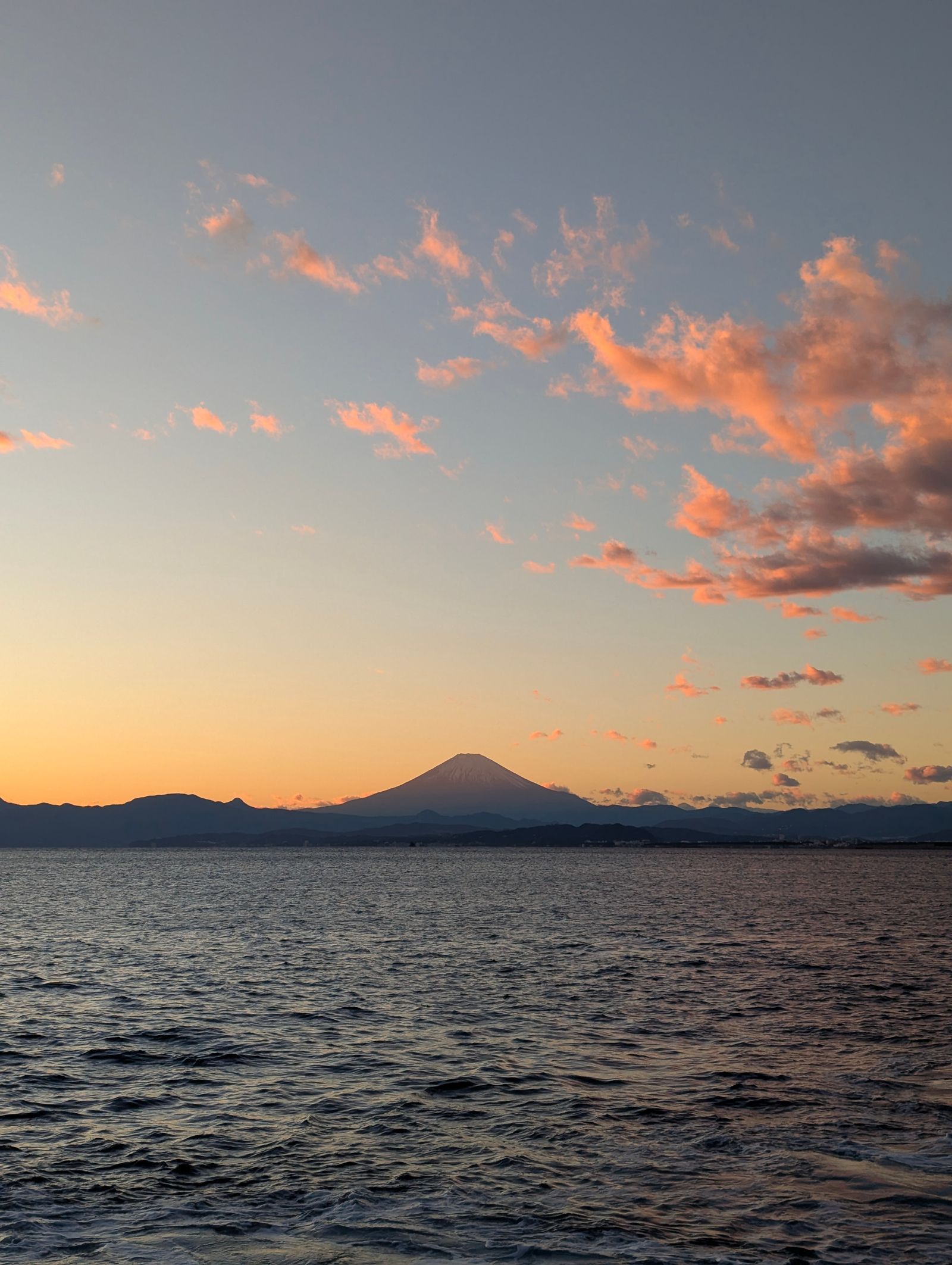

Quick answer: Takaoka, Toyama, is home to two very different monuments left behind by the Maeda clan: the Takaoka Daibutsu, a 15.85-meter bronze Great Buddha ranked among Japan’s three most famous, and Zuiryuji, a Zen temple built to honor the city’s founder and the only National Treasure site in Toyama Prefecture. Both are an easy 10–20 minute walk from Takaoka Station, making the city a worthwhile half-day stop between Kanazawa and Toyama.
Maeda Toshinaga and the Founding of Takaoka
Takaoka’s story begins with Maeda Toshinaga (1562–1614), the second lord of the Kaga Domain, one of the largest and wealthiest domains in Edo-period Japan, second only to the Tokugawa shogunate’s own holdings. In 1609, after stepping back from the domain’s top leadership, Toshinaga founded the city of Takaoka and built a castle there. To build the city’s economic base, he invited master metal casters to settle in the new town — the beginning of a bronze- and copperware tradition that still defines Takaoka’s craft industry over 400 years later.
The Takaoka Daibutsu: From Wood to Bronze
According to local tradition, a wooden Buddha statue was first built at the foot of nearby Mt. Futagami in 1221 by a monk named Yoshikatsu Minamoto, and later moved to Takaoka’s present location by Maeda Toshinaga in 1609. A gilded wooden Great Buddha was carved in 1745, but fire proved to be its recurring enemy: the statue burned down in 1821, was rebuilt, and burned again in a major city fire in 1900.
After losing the wooden statue twice, the city decided to rebuild it in fire-resistant bronze. Construction began in 1907 and took local coppersmiths, led by craftsman Matsuki Sozaemon, nearly three decades to complete, finishing in 1933. The finished statue stands 15.85 meters tall and weighs about 65 tonnes, and is counted alongside the Great Buddhas of Nara and Kamakura as one of Japan’s three most celebrated Daibutsu. When poet Akiko Yosano visited in 1933, she is said to have remarked that the Takaoka Daibutsu’s face was even more handsome than the famous one in Kamakura.
Zuiryuji: A Temple Built to Honor a Founder
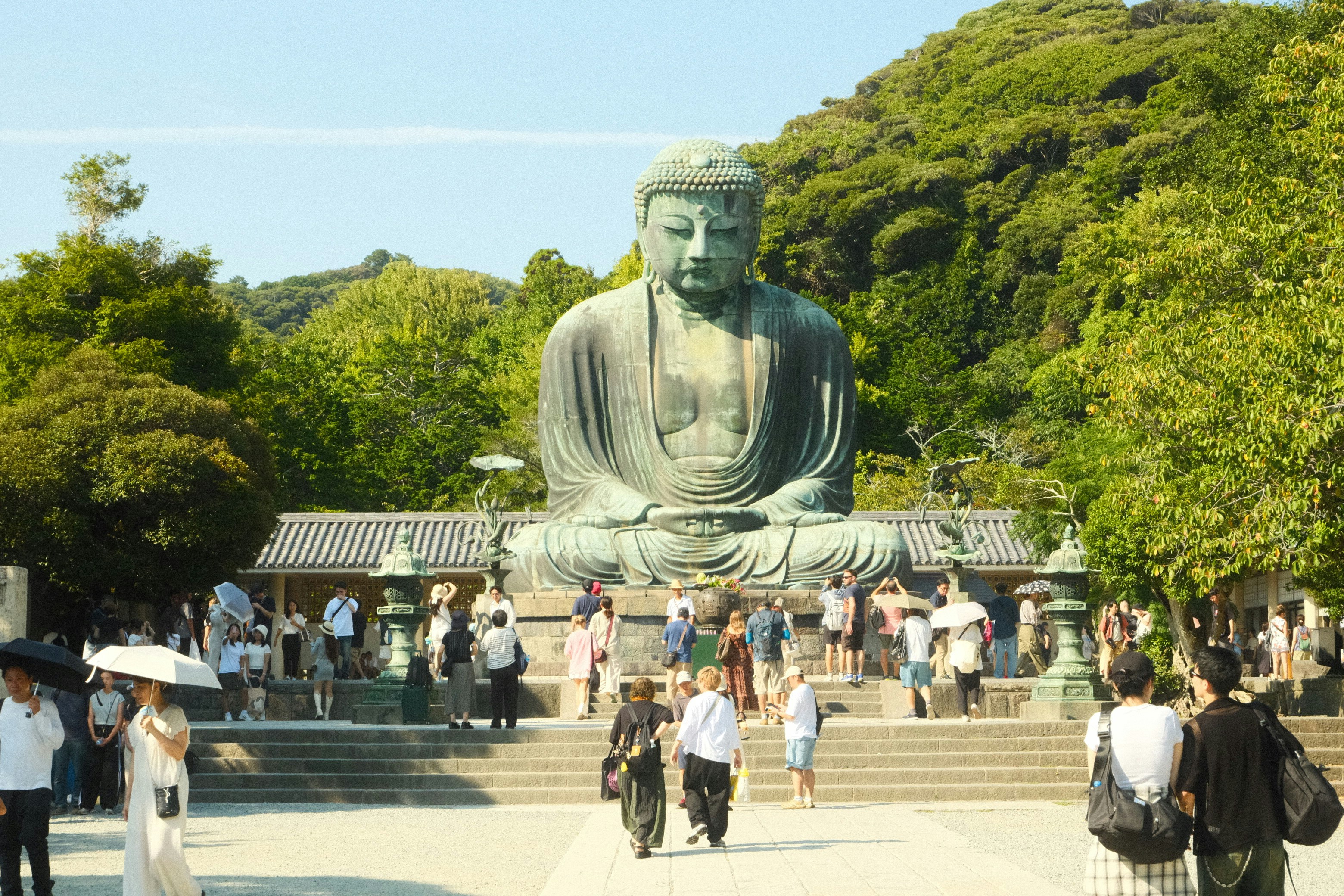
A short walk away, Zuiryuji tells the second half of Takaoka’s founding story. When Maeda Toshinaga died in 1614, his successor, Maeda Toshitsune (the third lord of the Kaga Domain), commissioned a temple in his honor and renamed it Zuiryuji, after Toshinaga’s Buddhist posthumous name. Full-scale construction took place during the Shoho era (1644–1648) and was completed in 1663 — the 50th anniversary of Toshinaga’s death.
Zuiryuji’s layout reflects Chinese-influenced Zen architecture from the Kamakura period, popular among the samurai class: a central Buddhist sanctum surrounded by halls connected by covered corridors, an unusual and highly regarded arrangement. In 1997, Zuiryuji became the only site in Toyama Prefecture to be designated a National Treasure, Japan’s highest tier of protection for cultural properties.
How to Get There
Takaoka is on the Hokuriku Shinkansen line, but note that the shinkansen stops at Shin-Takaoka Station, a few kilometers from the older Takaoka Station, which is closer to both the Daibutsu and Zuiryuji.
From Tokyo:
- Take the Hokuriku Shinkansen from Tokyo Station to Shin-Takaoka Station (about 2 hours 10 minutes).
- Transfer to the Ainokaze Toyama Railway or JR Himi Line for the short ride (a few minutes) to Takaoka Station, or take a local bus/taxi between the two stations.
- From Takaoka Station, both sights are walkable: Takaoka Daibutsu is about a 10–15 minute walk, and Zuiryuji is about a 10–15 minute walk (roughly 20 minutes between the two sites themselves).
From Kanazawa: Take the Hokuriku Shinkansen to Shin-Takaoka Station (about 15 minutes) and continue as above, or take the direct IR Ishikawa Railway / Ainokaze Toyama Railway service straight to Takaoka Station (about 40–45 minutes), which is more convenient since it skips the station transfer.
From Osaka or Kyoto: Take the Limited Express Thunderbird to Tsuruga Station (about 1 hour 20 minutes from Osaka), transfer to the Hokuriku Shinkansen, and continue to Shin-Takaoka via Kanazawa (roughly 1.5–2 hours total including the transfer).
Getting between the sights: Both the Daibutsu and Zuiryuji are flat, easy walks from Takaoka Station, and rental bicycles are also available near the station if you’d rather not walk both legs.
Visiting Tips
- See both in half a day: Takaoka Daibutsu, Zuiryuji, and the station area’s traditional shopping streets can comfortably be covered in 3–4 hours, making Takaoka an easy stopover between Kanazawa and Toyama City.
- Look for the coppersmith legacy: Takaoka is still Japan’s leading center for cast copperware; shops near the station sell everything from wind chimes to tableware made using techniques that trace back to the craftsmen Toshinaga invited in 1609.
- Check temple hours: Zuiryuji’s interior halls have set visiting hours (generally daytime only), so plan to arrive well before late afternoon.
- Combine with Gokayama: Takaoka’s Shin-Takaoka Station is also the departure point for World Heritage Buses to the Gokayama gassho-zukuri villages, so travelers heading that way can easily add a Takaoka stopover.
FAQ
Is the Takaoka Daibutsu bigger than the one in Kamakura?
No — the Kamakura Daibutsu is taller overall (about 13.35 meters for the statue itself, though total height with the base differs by measurement method), while the Takaoka Daibutsu is often cited at 15.85 meters including its base and pedestal. Comparisons vary depending on what’s measured, but all three of Japan’s “great Buddhas” (Nara, Kamakura, and Takaoka) are considered comparable icons rather than ranked by size alone.
Can I go inside the Takaoka Daibutsu?
Yes, the statue’s base contains a small hall you can enter, with photos documenting the statue’s history through its wooden predecessors and the 1907–1933 bronze reconstruction.
Why does Toyama Prefecture only have one National Treasure site?
National Treasure status in Japan is granted selectively to buildings and artworks judged to have exceptional historical or artistic value; Zuiryuji earned the designation in 1997 for its rare, well-preserved Zen temple layout from the early Edo period. Many other historic sites in the prefecture hold the slightly less exclusive “Important Cultural Property” status instead.
Getting There
Nearest station: Takaoka Station (Ainokaze Toyama Railway / JR)
The Great Buddha is an easy 10-minute walk from Takaoka Station’s north exit, making a taxi or bus unnecessary. Walkers can also reach it from the Manyo Line’s Sakashitacho tram stop in about 5 minutes.

Don’t waste your first day in Japan hunting for WiFi
Install it before you board — your eSIM is already connected the second you land.
🏪 No shop visit
💳 No roaming bill shock
2-minute setup · works the moment you land
Leave a Reply