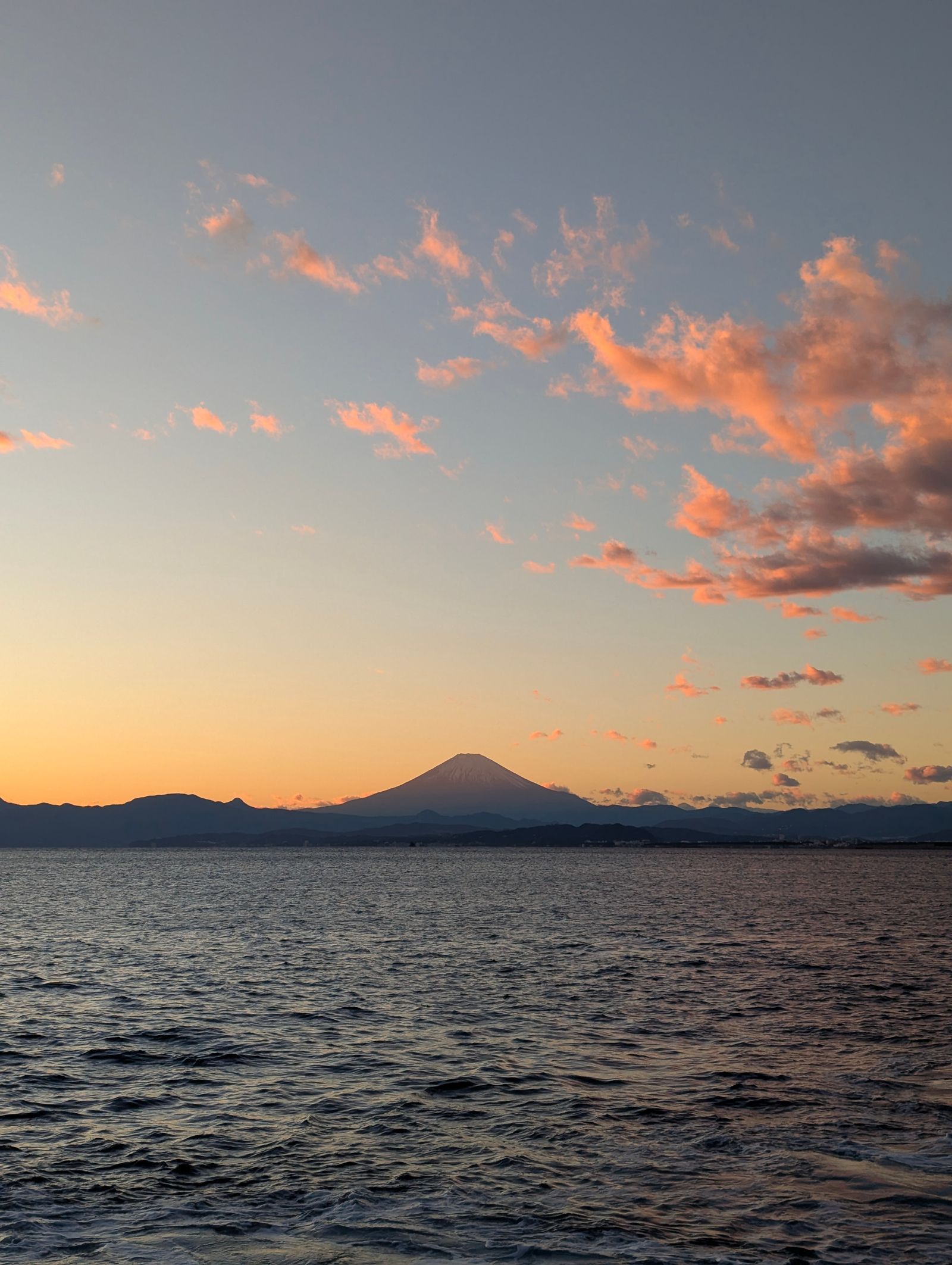

Quick answer: Hakone Checkpoint (Hakone Sekisho) was one of the Tokugawa shogunate’s most important inspection points on the Tokaido, the road linking Edo (Tokyo) to Kyoto and Osaka, standing guard on the shore of Lake Ashi from 1619 to 1869. Faithfully reconstructed in 2007 using Edo-period records, it’s now an open-air museum where visitors can walk through the guardhouses that once enforced one of the shogunate’s strictest travel laws — and it sits in one of the most scenic parts of Hakone, with Mount Fuji often visible across the lake.
The Tokaido’s Mountain Gate: Founding in 1619
The Tokaido was the busiest and most heavily traveled of the five major roads the Tokugawa shogunate built to connect Edo with the rest of Japan, and Hakone — a steep, forested mountain pass between Edo and the Kansai region — was widely considered its hardest stretch. In 1619, just a few years after Tokugawa Ieyasu had unified the country, the shogunate established a checkpoint at Hakone, on the shore of Lake Ashi, to monitor everyone and everything moving along this critical corridor. It operated continuously for two and a half centuries, until the checkpoint system was abolished nationwide in 1869 following the Meiji Restoration.
“Guns In, Women Out”: The Checkpoint’s Strict Rules
Hakone Checkpoint is remembered above all for the phrase that summed up its priorities: iri-deppo ni de-onna — “guns coming in, women going out.” Officials paid close attention to firearms being brought toward Edo, which could signal a plot against the shogun, but their real obsession was outbound women. Under the shogunate’s sankin-kotai system, every regional lord (daimyo) was required to leave his wife and children living in Edo as effective hostages while he alternated years of residence between Edo and his home domain — a system designed to discourage rebellion. A daimyo’s wife slipping quietly out of Edo back to her home province was treated as a serious political threat, so female travelers heading away from Edo were questioned and physically inspected by female staff called hitomi-onna (“appearance-checking women”), while male guards handled weapons checks and paperwork at the main guardhouse.
Punishment for Evasion
Trying to bypass the checkpoint by slipping through the surrounding mountains — known as sekisho-yaburi, “checkpoint breaking” — was treated as an extremely serious crime under shogunate law, formally punishable by crucifixion (haritsuke), sometimes reduced to execution with the head put on public display. In practice, recorded cases were rare: historical records list only a handful of attempted crossings at Hakone and its satellite checkpoints over the entire Edo period. One case still remembered locally is that of a young woman named Otama, caught attempting to slip past the checkpoint in 1702 and executed under this law — her story lives on in the name of a nearby pond, Otama-ga-ike.
Abolition and Modern Reconstruction
The checkpoint system, along with much of the feudal infrastructure of the Edo period, was dismantled after the 1868 Meiji Restoration, and the original Hakone Checkpoint buildings were eventually lost. In 2007, drawing on surviving Edo-period documents and the results of archaeological excavation at the site, the town of Hakone completed a full reconstruction that faithfully recreates the checkpoint’s late-Edo appearance, including the main guardhouse (omote-bansho), the foot-soldiers’ post, and the rear gate facing the mountains.

How to Get There
From Tokyo (Shinjuku): Take the Odakyu Romancecar limited express directly to Hakone-Yumoto Station (about 85 minutes), then transfer to a Hakone Tozan Bus or Izu Hakone Bus bound for Hakone-machi or Moto-Hakone (about 40 minutes) and get off at the “Hakone Sekisho-ato” stop, right by the checkpoint.
From Odawara Station (Shinkansen stop): Take a direct Hakone Tozan Bus or Izu Hakone Bus toward Hakone-machi Port (about 55 minutes) to the “Hakone Sekisho-ato” stop.
By lake cruise: The Hakone Sightseeing Cruise connects several ports around Lake Ashi; from Togendai Port (reachable via the Hakone Ropeway) it’s about a 30-minute boat ride to Hakone-machi Port, a short walk from the checkpoint.
From Osaka or Kyoto: Take the Tokaido Shinkansen toward Tokyo and get off at Odawara (roughly 2.5–3 hours, depending on train type — some Hikari services stop at Odawara directly), then continue by bus as above.

Visiting Tips
- Pair it with Hakone Shrine, whose famous lakeside torii gate is a short walk or boat ride away, and with Onshi-Hakone Park for lake views.
- Visit the small on-site museum (Sekisho Shiryokan) next to the reconstructed buildings, which displays inspection records, weapons, and other Edo-period artifacts.
- Go in the morning for calmer crowds and, on clear days, better odds of seeing Mount Fuji across the lake before afternoon haze sets in.
- Best seasons: Autumn (November) for foliage around the lake, and clear winter days for the sharpest Fuji views.
FAQ
Is this the original Edo-period building?
No — the current buildings are a faithful 2007 reconstruction based on historical documents and archaeological excavation; the original structures were dismantled after the checkpoint system ended in 1869.
What happened to people who tried to sneak past the checkpoint?
Checkpoint-breaking (sekisho-yaburi) was punishable by crucifixion under shogunate law, though actual recorded cases were rare over the checkpoint’s 250-year history.
Why was checking women leaving Edo so important?
Under the sankin-kotai system, daimyo were required to keep their wives and children in Edo as a check against rebellion; a wife secretly leaving the city was seen as a serious political risk, which is why female travelers heading out of Edo faced the strictest inspection.
Getting There
Nearest station: Hakone-Yumoto Station (Odakyu Line / Hakone Tozan Railway)
From Hakone-Yumoto Station, the Hakone Tozan “H” line bus runs to Hakone-machi, taking about 40 minutes and costing around ¥1,200; get off near the Hakone Sekisho-mae stop, right by the checkpoint on the shore of Lake Ashi.

Don’t waste your first day in Japan hunting for WiFi
Install it before you board — your eSIM is already connected the second you land.
🏪 No shop visit
💳 No roaming bill shock
2-minute setup · works the moment you land
Leave a Reply