

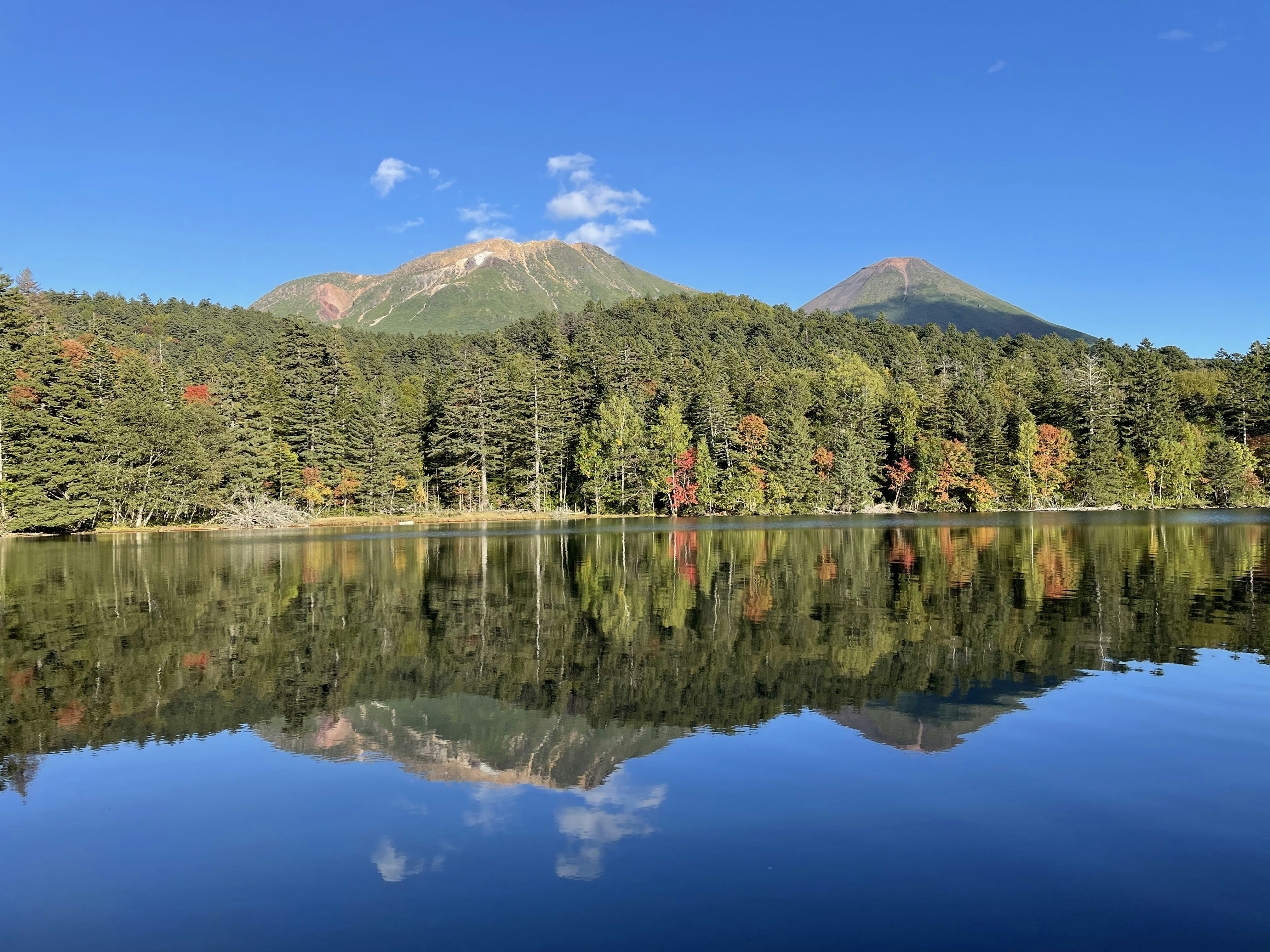
Quick answer: Upopoy, officially the National Ainu Museum and Park, opened in July 2020 on the shore of Lake Poroto in Shiraoi, Hokkaido, as Japan’s first and only national facility dedicated to the history and culture of the Ainu, the indigenous people of Hokkaido. Its name means “singing together in a large group” in the Ainu language, and it combines a museum, a reconstructed traditional village, and cultural performances into a single lakeside site.
Who Are the Ainu?
The Ainu are the indigenous people of Hokkaido, as well as historically Sakhalin and the Kuril Islands, with a distinct language, spiritual worldview, and way of life built around hunting, fishing, and gathering. Central to traditional Ainu belief is the concept of kamuy — spirits or gods believed to inhabit animals, plants, fire, and natural phenomena — reflecting a deep reverence for the natural world that still shapes how Ainu culture presents itself today. As Japanese settlement of Hokkaido intensified from the Meiji era onward, Ainu communities faced significant pressure on their land, language, and traditional practices, and much of Ainu culture — its oral epics (yukar), music, woodcarving, and embroidery — survived through active preservation efforts by Ainu communities and researchers over the following century.
From a Private Museum to a National Institution
Long before Upopoy existed, the Shiraoi lakeside was already known as a place to learn about Ainu culture: a privately run Ainu Museum operated on essentially the same site for decades before closing in 2018 to make way for something larger. That larger project became Upopoy, which the Japanese government developed as a national-level facility — a marked shift from local or private preservation efforts toward formal national investment in Ainu heritage. It finally opened to the public on July 12, 2020, after pandemic-related delays pushed back its originally planned spring opening.
What’s Inside Upopoy
Upopoy is built around three main elements on the shore of Lake Poroto: the National Ainu Museum, the first national museum in Japan devoted entirely to a single indigenous culture, covering Ainu history, language, and daily life through artifacts and exhibits; the National Ainu Park, an open-air area recreating a traditional Ainu kotan (village) with workshop buildings where visitors can watch or try wood carving, embroidery, and traditional music and dance performed live; and a memorial site honoring Ainu ancestral remains that had previously been held by universities for research purposes. Together, the complex functions as both a museum and a living cultural center rather than a purely historical exhibit.
How to Get There
From New Chitose Airport: Take the JR Chitose Line one stop to Minami-Chitose Station, then transfer to a JR limited express (the “Suzuran” or “Hokuto” services bound for Hakodate or Muroran) and get off at Shiraoi Station. The total journey, including the transfer, takes roughly 30–45 minutes, and JR Hokkaido runs dedicated signage and services aimed at Upopoy visitors on this route.
From Sapporo Station: Board a limited express train bound for Hakodate or Muroran directly from Sapporo; the ride to Shiraoi Station takes approximately 60–65 minutes.
From JR Shiraoi Station to Upopoy: The park is about 500 meters from the station, roughly a 10-minute walk, connected by a pedestrian overpass that leads directly from the platform toward the entrance.
From Tokyo: Fly into New Chitose Airport (about 1 hour 35 minutes from Haneda) and follow the route above.
Combine with Noboribetsu: Noboribetsu Onsen, one of Hokkaido’s best-known hot spring resorts, is just one more stop down the line from Shiraoi, making it easy to pair a Upopoy visit with an onsen stay.
| Route | Time |
|---|---|
| New Chitose Airport → Shiraoi Station (via Minami-Chitose transfer) | 30–45 min |
| Sapporo Station → Shiraoi Station (limited express) | 60–65 min |
| Shiraoi Station → Upopoy (on foot) | ~10 min |
Visiting Tips
- Budget half a day: Between the museum, the village workshops, and a performance, most visitors spend 3–4 hours on site.
- Check the performance schedule: Traditional dance and music shows run on a set timetable, so it’s worth checking times online before you go so you don’t miss one.
- Respectful approach: This is a living culture, not a historical relic — many of the demonstrators and staff are Ainu practitioners sharing their own heritage, so treat workshops and performances accordingly.
FAQ
Q: Is Upopoy the same as the old Ainu Museum in Shiraoi?
A: They occupy essentially the same lakeside location, but Upopoy is a newer, larger, nationally run facility that replaced the earlier privately operated museum, which closed in 2018.
Q: Is English support available?
A: Yes, the museum offers English exhibit descriptions and audio guides, making it accessible to visitors without Japanese.
Q: Can this be a day trip from Sapporo?
A: Yes — with roughly an hour of travel each way, it’s a comfortable half-day or full-day trip from Sapporo, especially if combined with Noboribetsu Onsen.
Getting There
Nearest station: JR Shiraoi Station (JR Muroran Main Line)
Upopoy is about a 10-minute walk (roughly 500m) from the North Exit of JR Shiraoi Station, which is around 65 minutes from Sapporo by train. A shuttle bus also connects the station to the park entrance for visitors who prefer not to walk.

Don’t waste your first day in Japan hunting for WiFi
Install it before you board — your eSIM is already connected the second you land.
🏪 No shop visit
💳 No roaming bill shock
2-minute setup · works the moment you land
Leave a Reply