
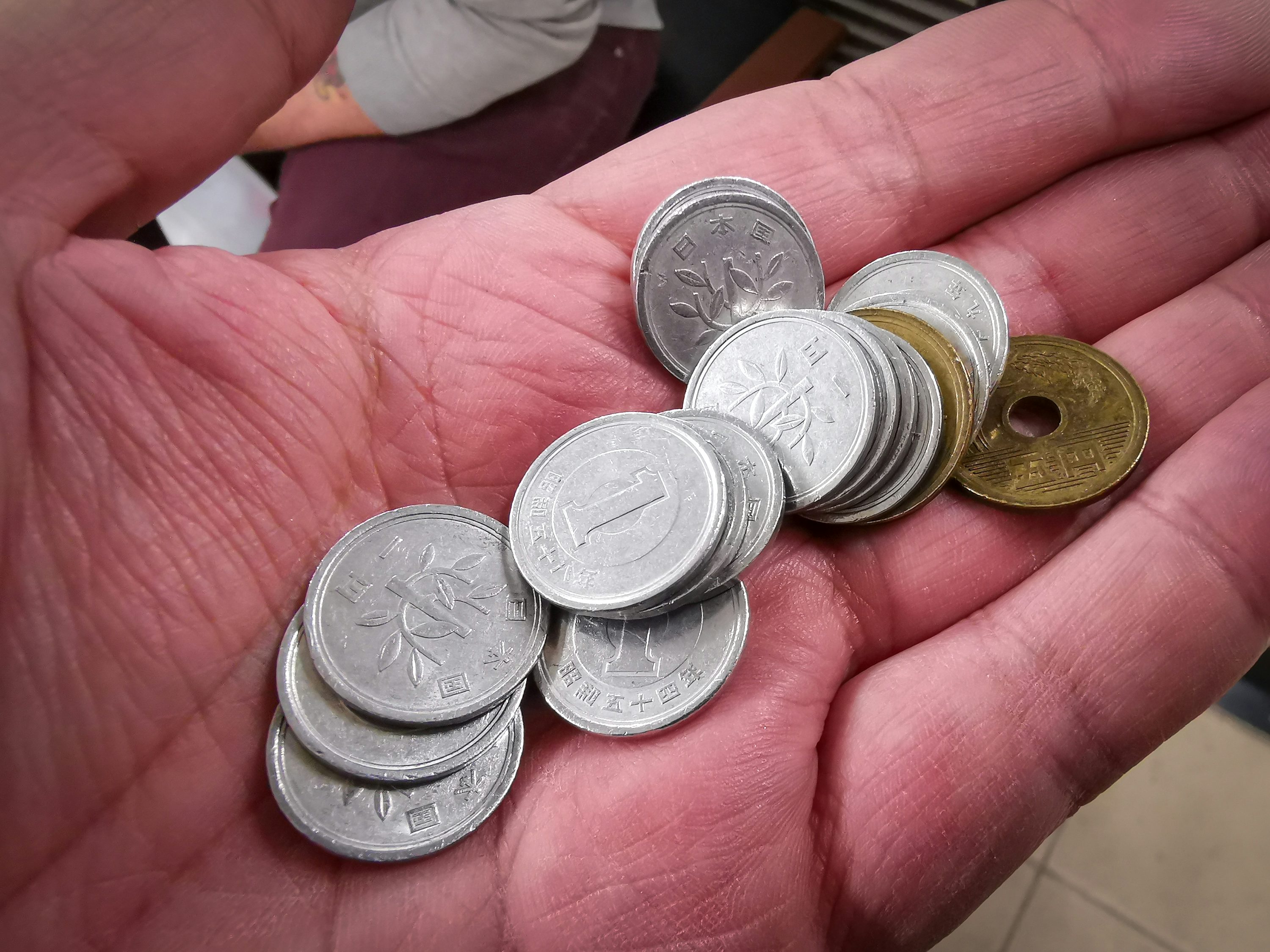

Quick answer: Don’t exchange money before you land. Withdraw yen after arrival from a 7-Eleven (Seven Bank) ATM or a Japan Post Bank ATM — both accept most foreign cards, are widely available, and beat airport currency exchange counters on rate almost every time.
Why ATM Withdrawals Beat Airport Exchange Counters
Airport currency exchange counters are convenient but consistently offer the worst exchange rates of any option, often with a flat handling fee on top. Withdrawing cash from an ATM uses your card network’s exchange rate, which is usually much closer to the real mid-market rate. The only downside is your home bank may add its own foreign transaction or ATM fee — check that before you fly, since it varies a lot by bank and card.

Where to Withdraw: The Two Reliable Networks
| ATM network | Fees | Hours | Notes |
|---|---|---|---|
| 7-Eleven / Seven Bank | Mastercard/Maestro/Cirrus: no Seven Bank fee. Visa/Visa Electron: ¥110 (under ¥10,000) or ¥220 (¥10,000+) | Most locations 24/7 | Found at almost every 7-Eleven nationwide; the most reliable option for foreign cards |
| Japan Post Bank | Free during business hours; ¥110 outside business hours | Roughly 9am–6pm weekdays at most branches (some station/tourist-area locations extend later) | Located in post offices and many train stations; accepts most major international cards |
| Airport exchange counter | No ATM fee, but a poor built-in exchange rate | Airport operating hours | Fine for a small amount to cover your first taxi/train fare, not your whole trip’s cash |
| City currency exchange shop | Varies by shop; often better than airport counters | Business hours, varies | Convenient in tourist areas like Shinjuku or Dotonbori, but still usually beaten by ATM withdrawal |
Regular Japanese bank ATMs (like MUFG, Mizuho, or SMBC branch ATMs) are a mixed bag for foreign cards — many don’t accept them at all, or only during limited hours. Stick to Seven Bank and Japan Post Bank as your defaults.

Credit Card Cash Advance: Useful Backup, Not Your Main Plan
You can also withdraw yen as a cash advance on a credit card at the same ATMs. It works in a pinch, but a cash advance is treated as a loan by your card issuer — interest usually starts accruing immediately (often in the 15–20% APR range) with no grace period, on top of the ATM fee. Keep this as an emergency backup, not your everyday way of getting cash.
Practical tips for 2026:
- Bring at least one debit card and one credit card from different networks (e.g., a Visa and a Mastercard) in case one network’s ATMs are down or unavailable at a given machine.
- Withdraw larger amounts less often rather than small amounts repeatedly — most per-transaction ATM fees are flat, so fewer withdrawals means less total fee paid.
- Many day-to-day purchases (convenience stores, train tickets, department stores) now take cards or IC cards without issue, so you don’t need to carry huge amounts of cash — roughly ¥10,000–20,000 as backup is enough for most travelers, topped up as needed.
FAQ
- Should I order yen from my home bank before I fly? Generally not necessary — ATM withdrawal rates after arrival are usually as good or better, and you avoid carrying a large amount of cash through security.
- Is there a withdrawal limit at Seven Bank ATMs? The limit is generally set by your own card issuer, not Seven Bank, so check your bank’s daily foreign-ATM withdrawal cap before you travel.
- Do convenience store ATMs have English menus? Yes — Seven Bank and Japan Post Bank ATMs both offer an English-language interface as a standard option.

Don’t waste your first day in Japan hunting for WiFi
Install it before you board — your eSIM is already connected the second you land.
🏪 No shop visit
💳 No roaming bill shock
2-minute setup · works the moment you land
Related Guides
Leave a Reply