
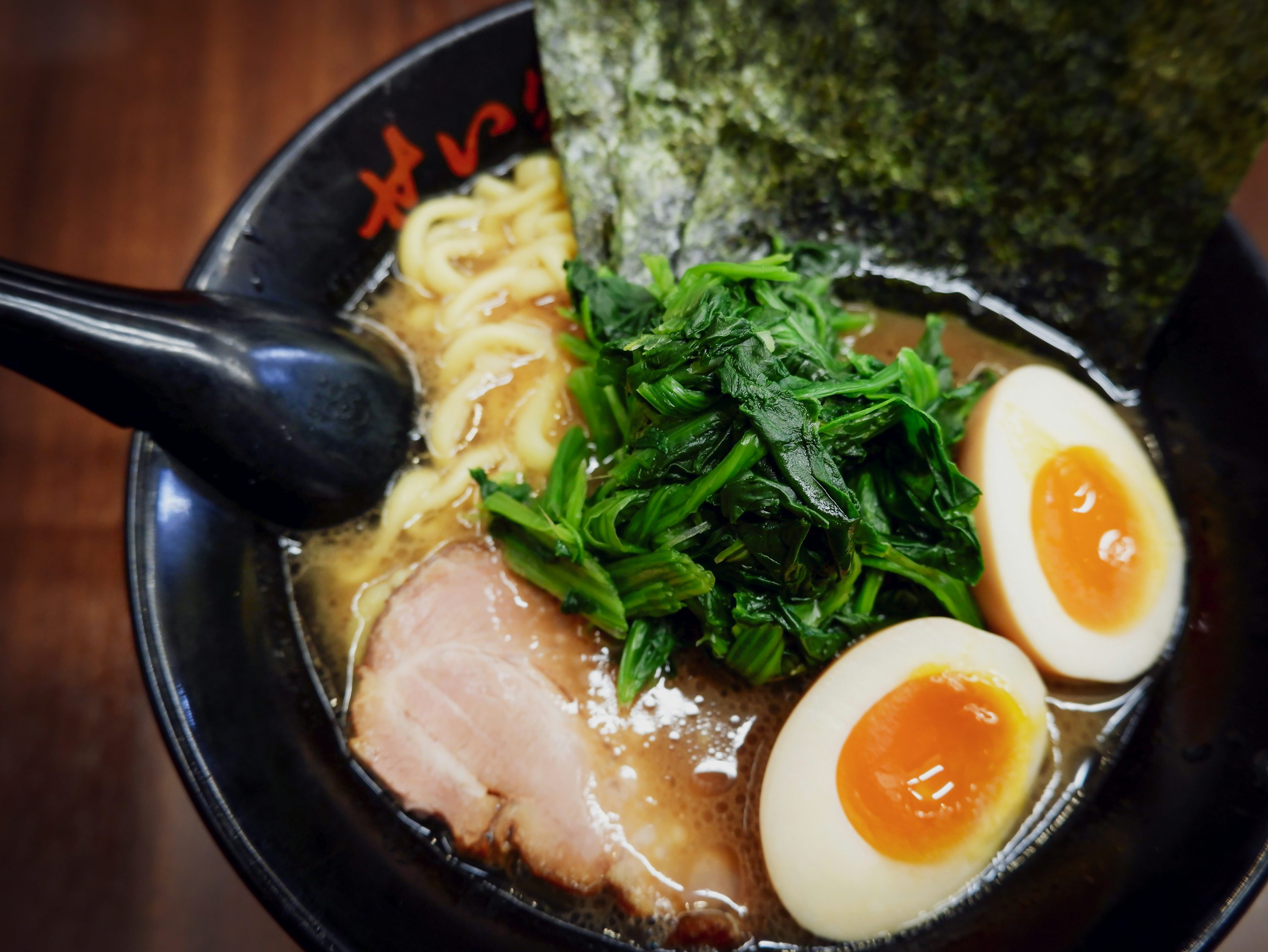

Quick answer: it’s genuinely improving, but Japan doesn’t have a strong cultural tradition of vegetarian or halal categories, so hidden animal ingredients show up in dishes that look plant-based. A little label-reading and a few key phrases go a long way.
The dashi trap: miso soup, many vegetable tempura dipping sauces, and countless broths default to dashi made from bonito flakes or fish stock — even at dishes that otherwise look entirely vegetarian. If it matters to you, ask “kore wa dashi ga haitte imasu ka?” (does this contain dashi?) or look specifically for kombu (seaweed-only) dashi, which is genuinely plant-based.
Halal in Japan, honestly: there’s no single unified national halal certification, so restaurants self-label at very different tiers — fully halal-certified, “muslim-friendly” (pork-free but may still cook with alcohol like mirin or sake), or simply pork-free with no other guarantees. Don’t assume a sign means full certification; ask what tier it actually is.

What’s new in 2026: HalalGourmetJapan, one of the most-used apps for finding halal and muslim-friendly restaurants, went through a full 10-year relaunch, now combining restaurant search with ingredient-label scanning in a single app — a genuinely useful upgrade if you’re trying to check packaged food at a konbini or supermarket.
Good bets if you’re vegetarian or vegan:
- Kyoto’s shojin ryori (Buddhist temple cuisine) is reliably vegan and a genuine cultural experience, not a compromise
- Conveyor-belt sushi chains increasingly stock vegetable rolls (cucumber, natto, avocado)
- Department store basement food halls (depachika) often have clearer ingredient labeling than street restaurants
FAQ
- Which city is easiest for vegetarian food? Kyoto, thanks to its temple cuisine tradition.
- Does mirin (cooking wine) count as alcohol? Yes, technically — it’s worth asking if you avoid alcohol for religious or personal reasons.
- Are English allergy menus common? Increasingly at chain restaurants, but far from universal — a translation app is still worth having as backup.
Which One Should You Actually Buy? Best Japan SIM Card & eSIM Picks for 2026
Coming from Part 1: SIM vs eSIM vs Pocket WiFi?
| Provider | Best for | Price range | Notes |
|---|---|---|---|
| Sakura Mobile | First-time visitors, English support | ¥3,000–¥6,000 / week | Airport pickup, phone/chat support |
| IIJmio / b-mobile | Budget travelers | From ¥3,000 | Store/Amazon purchase, no English hotline |
| Airalo eSIM | Zero-hassle, install before landing | $15–$30 / week | No shop visit, activates on arrival |
| Mobal | Long stays (30+ days) | Monthly plans | Includes a real Japanese phone number |
- First trip to Japan and want English support? Go with Sakura Mobile.
- Traveling on a budget? IIJmio or b-mobile — from about ¥3,000.
- Want zero hassle before you land? Airalo eSIM — install the app, activate the moment your plane touches down.
- Staying a month or more? Mobal — it even includes a real Japanese phone number.

Don’t waste your first day in Japan hunting for WiFi
Install it before you board — your eSIM is already connected the second you land.
🏪 No shop visit
💳 No roaming bill shock
2-minute setup · works the moment you land

You can order online before you fly, pick it up at the airport, or grab one at Bic Camera or Yodobashi in the city.

Five minutes of setup, and you’re connected for the whole trip — no more hunting for WiFi at every convenience store.
This article contains affiliate links. If you book through them, we may earn a commission at no extra cost to you.
Related Guides
Leave a Reply